Visionary Wild, LLC • 2200 19th St. NW, Ste 806, Washington, DC 20009

E-mail: info@visionarywild.com    •    Tel: 1-202-558-9596 (9am to 6pm, EST).    •    Justin Black’s iPhone: 1-202-302-9030

We look forward to hearing from you!


Limit 9 spaces | $6,495* Register
Expedition August 12 - 19, 2012 | View other workshops

Iceland with Chris Linder and Justin Black


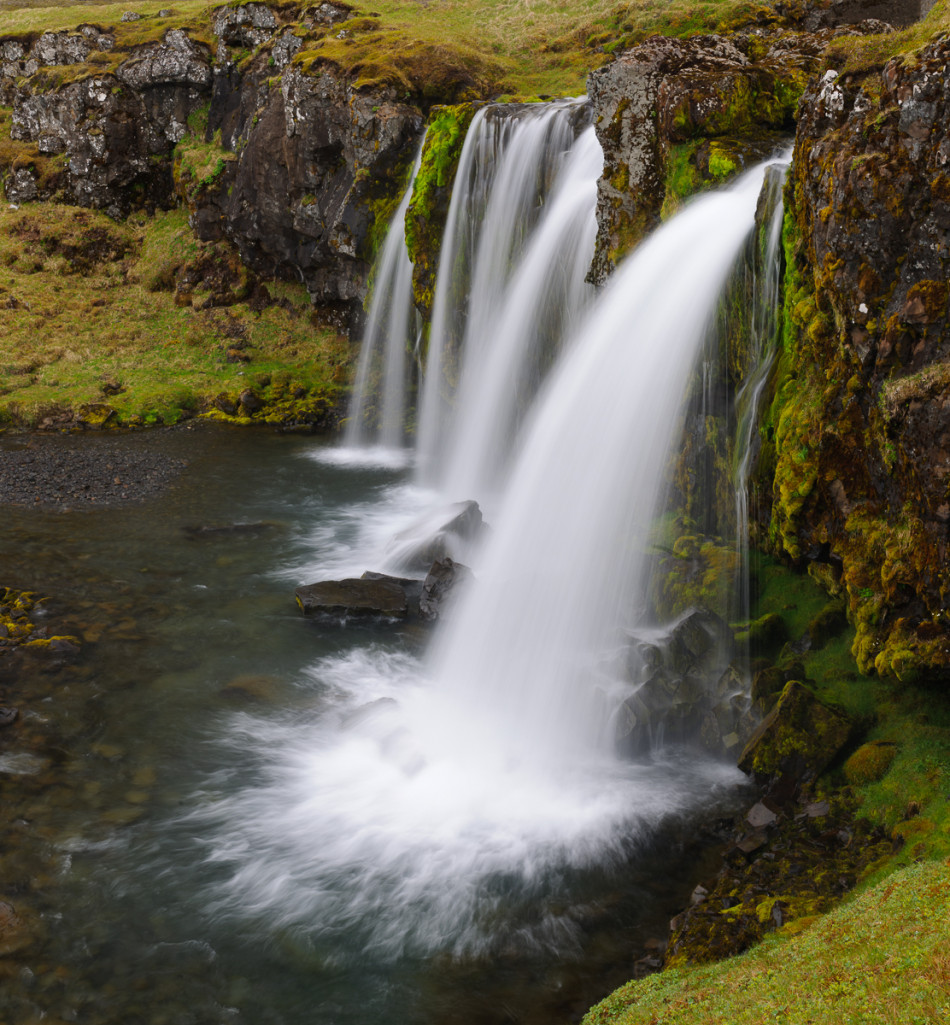
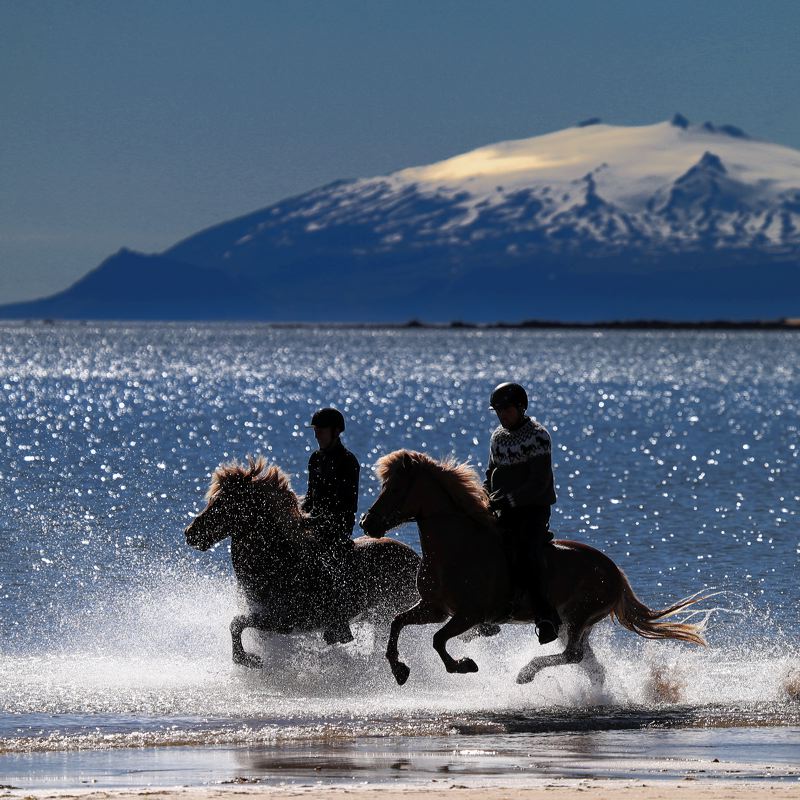
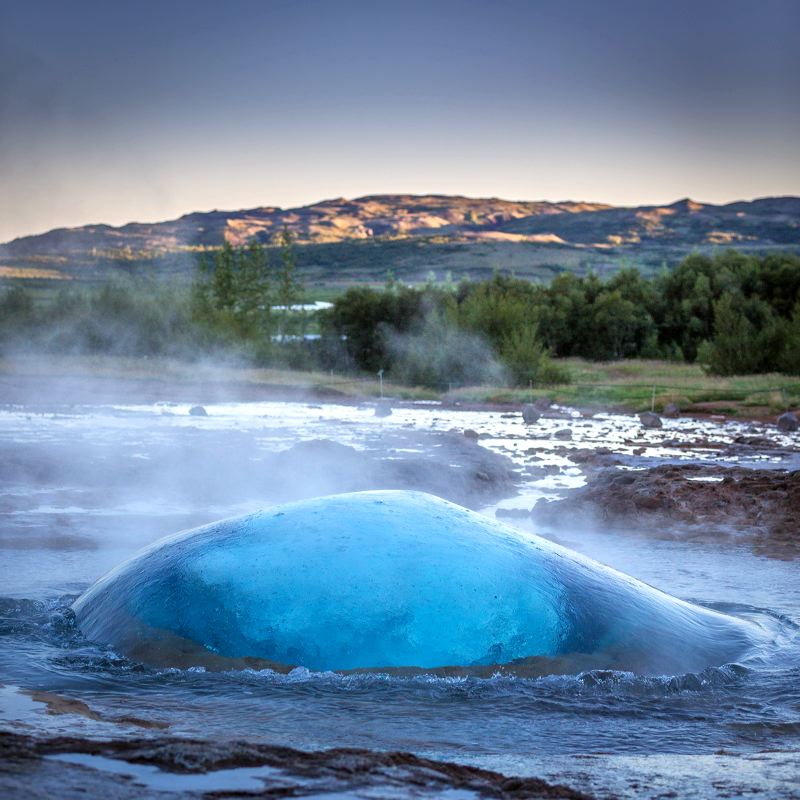
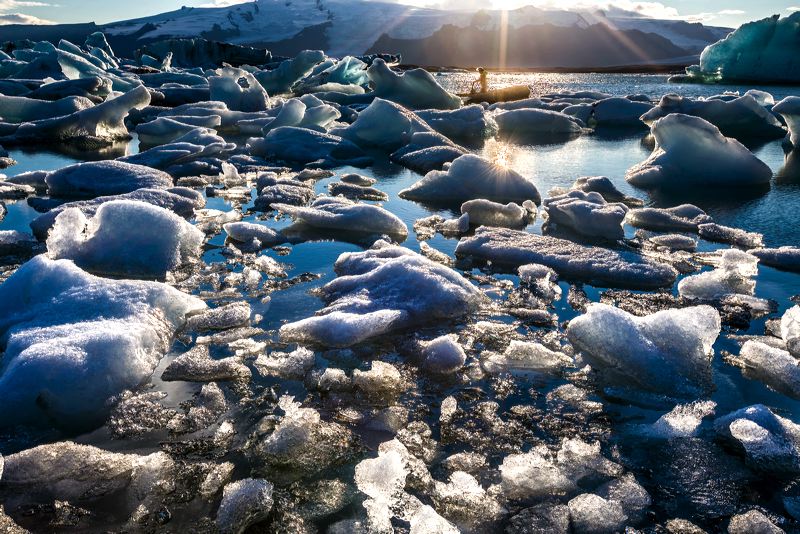
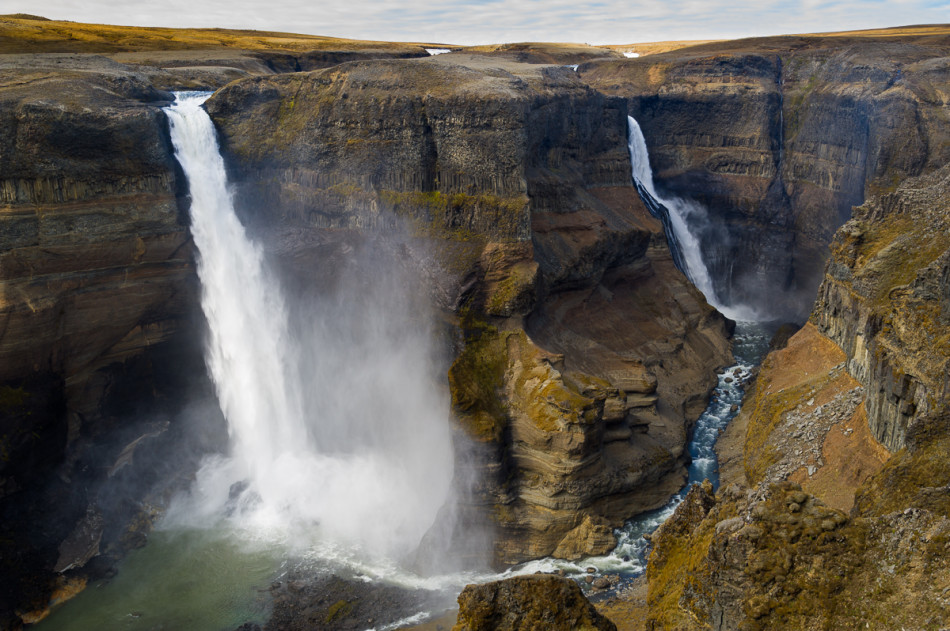
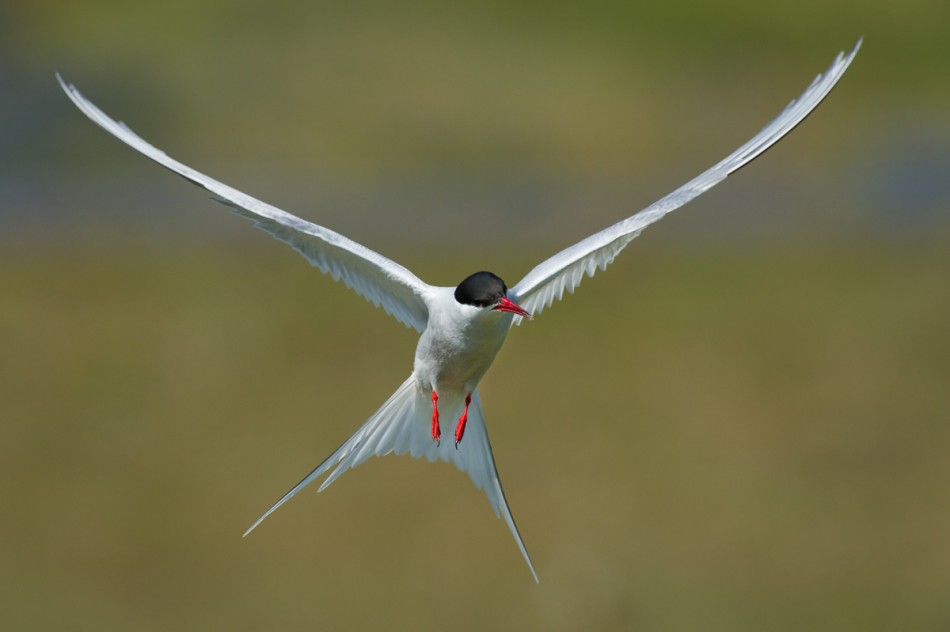
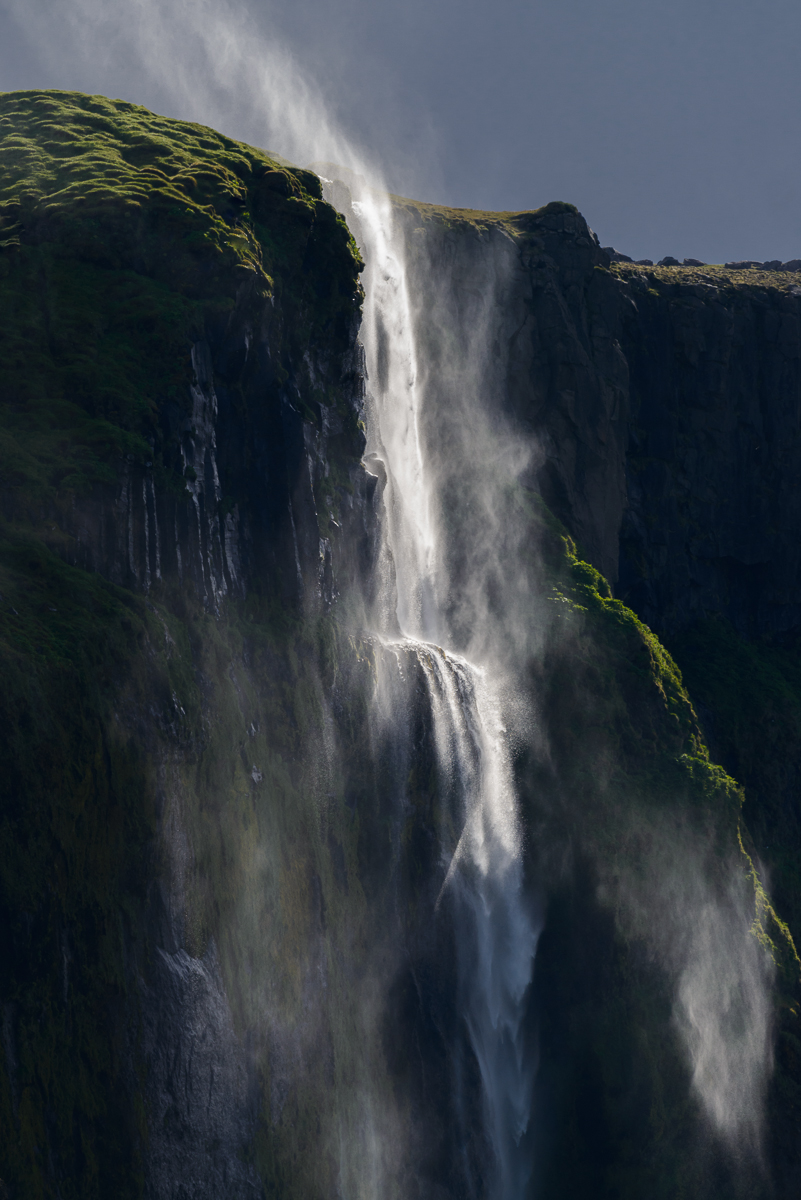
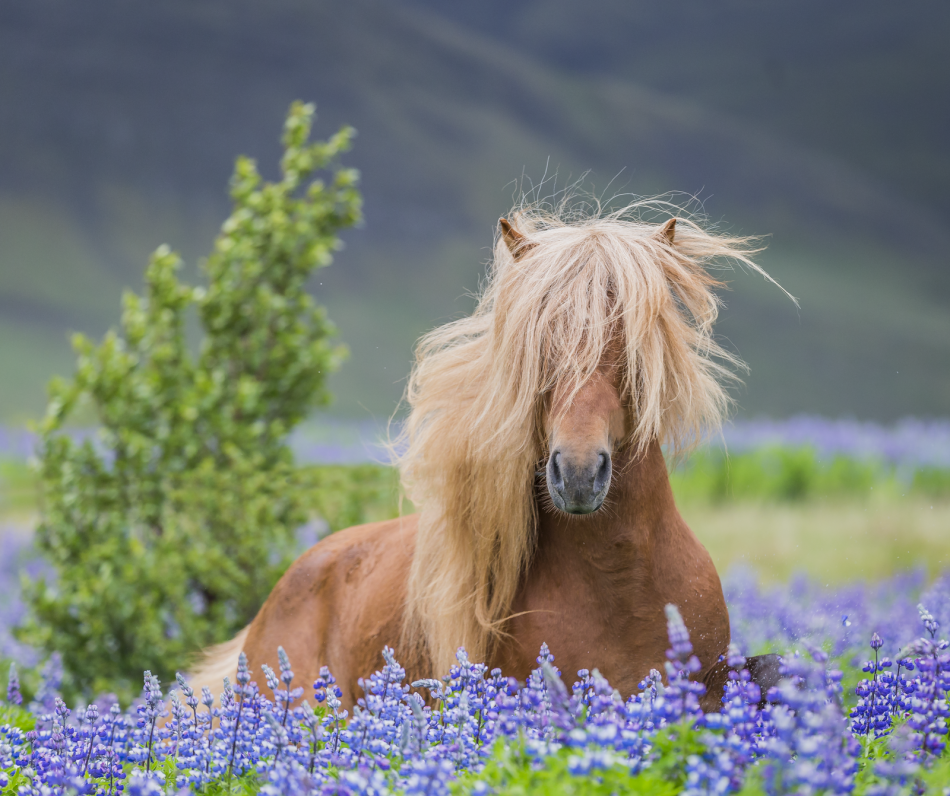
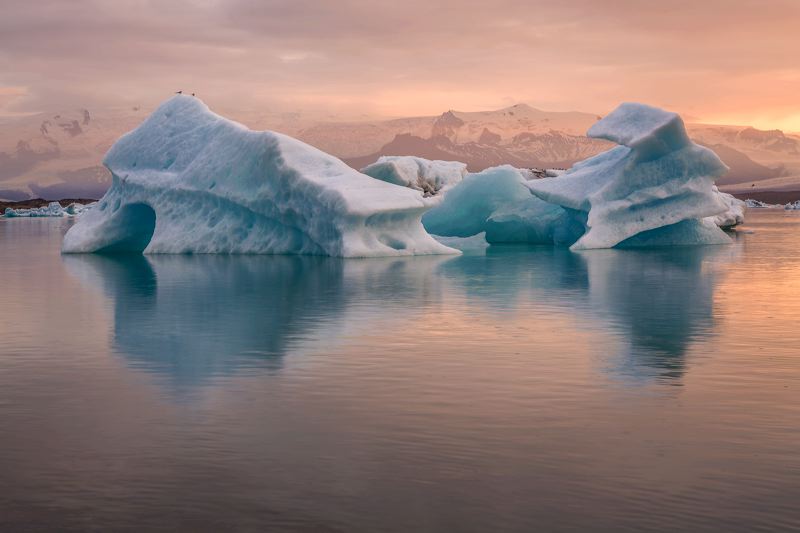
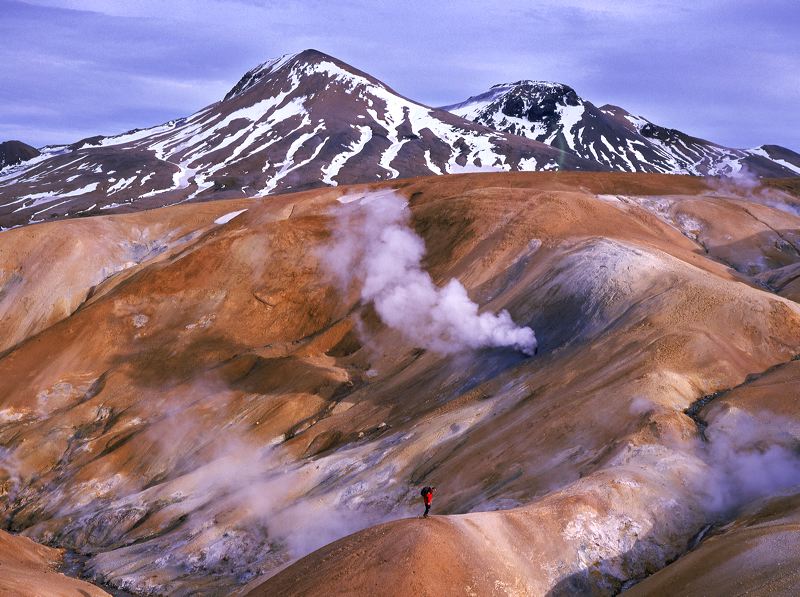
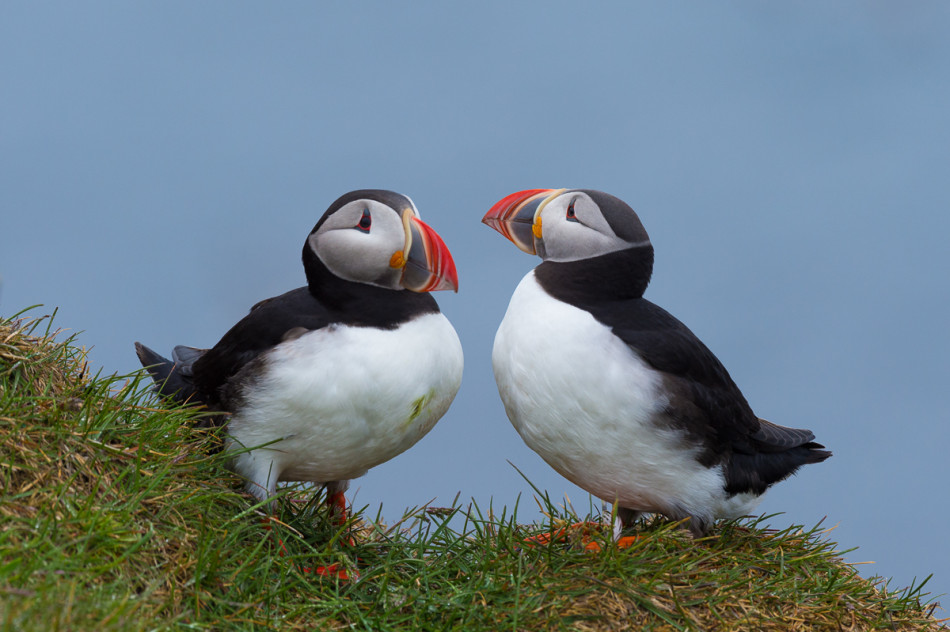
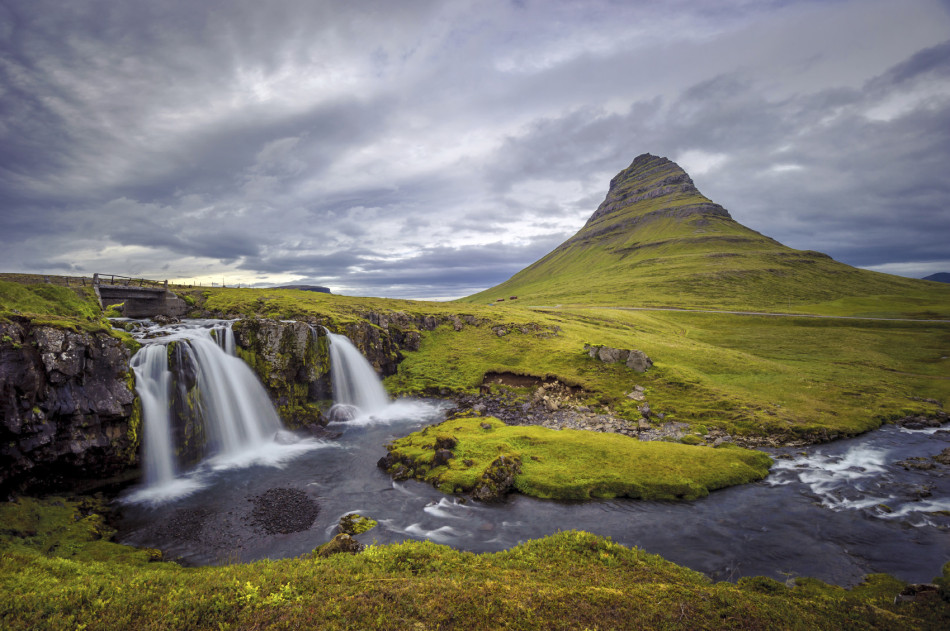
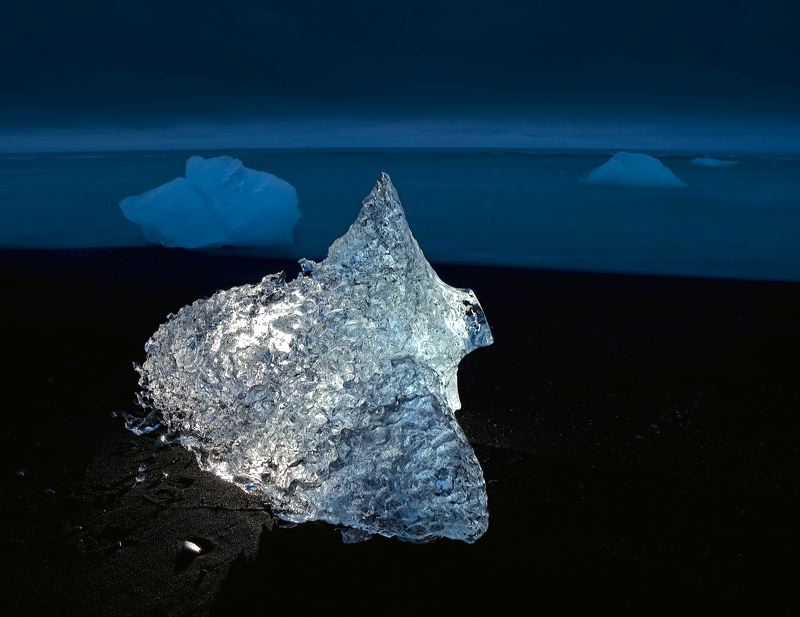
Icebergs on black sand beaches... Orange-billed Atlantic puffins perched on sea cliffs, massed in the thousands... Deep sapphire hues in ancient glacial ice... Storybook waterfalls gushing over hexagonal basaltic columns... steaming geothermal rivers flowing through a multi-colored volcanic landscape…

This is Iceland, land of fire and ice. Astride the Mid Atlantic Ridge, this geologically active island is being ripped in two by the opposing movement of the North American and Eurasian Plates, while magma surges through the Earth's fractured crust to fill the void of displaced land. The ice cap and glaciers, covering 11% of the country, feed pristine rivers, and over 100 volcanoes and countless geothermal springs dot the landscape.

Polar explorer-photographer Chris Linder and landscape photographer Justin Black will lead this seven-day/seven-night overland expedition for nine participants, emphasizing photography in the field at carefully scouted locations selected on our prior Icelandic travels. Our small group will spend a week traveling comfortably in three four-wheel-drive vehicles from our meeting point at Keflavik Airport to locations along the southern coast and interior.

Click the "read more" tab below to continue...

Iceland
Map via Google

Over the first four days, we’ll visit the puffin colonies of Heimaey and Ingólfshöfdi islands, the dramatic seastacks and black sand beaches at Vík, the Vatnajökull glacier, the waterfalls of Skaftafell, and Jökulsárlón glacial lagoon. The next stage of the trip will be a two-day overland adventure into the wild interior at Landmannalaugar, an otherworldly volcanic landscape of multi-colored rhyolitic mountains, beautiful lakes, cinder cones, black lava fields, and steaming volcanic vents and hot springs.

We will make the most of magic hour light each day, making time for mid-day naps to maintain our energy. Accommodations the first four nights will be in single-occupancy rooms at hotels convenient to our photographic locations (prorated double-occupancy lodging available). Nights five and six will be at the Landmannalaugar Hut, a comfortable two-storey bunk house situated beside natural hot springs that are perfect for a relaxing soak. Meals at Landmannalaugar will be catered by a trained chef, and will otherwise be at hotels and restaurants along the way. On the last evening of the trip, we’ll return to Reykjavík, enjoy a final celebratory dinner together and spend the night at the excellent four-star Hotel Holt, located in the city center. Most flights to the U.S. depart the in morning.

The focus of this expedition is photography in the field. Chris Linder and Justin Black will provide generous hands-on mentorship, sharing their expertise and professional insights on developing creativity and personal vision, composition, working with various qualities of light and changing weather, working landscape scenarios to best effect, and approaching wildlife (puffins in this case). Chris and Justin will go over techniques and tools that are vital to their work, such as working the scene to find optimal perspectives and compositions, stitching for high-resolution and panoramics, merging exposures for tonal-range control, using filters, off-camera flash, and long-exposure technique. In addition to being an expert photographer, Chris Linder is a multimedia production guru, and he will provide guidance to participants who are interested in combining stills and video into compelling productions.

Constructive critiques will be included in the schedule, to help participants identify where they are succeeding and how they might focus their energies to advance their vision and skills. During critiques, emphasis is first placed on identifying what participants are doing right with regard to chosen subject and composition, followed by discussion of ways to improve the execution of the image in light of the emotional response, concepts, and aesthetics that led the photographer to make the image in the first place.

Iceland is nature in its most raw, elemental state—a window into a primeval Earth that often leaves me speechless. –Chris Linder

See Chris Linder's post on the Visionary Wild Blog, about his most recent Iceland expedition for Woods Hole Oceanographic Institute.

Disclaimer:

Participants are advised that all activities are undertaken entirely at their own risk. By joining this expedition, participants warrant that they are in a suitable state of health and fitness to undertake the activities described herein. They agree to behave with consideration and respect for the safety and comfort of their fellow participants, to follow the direction of Visionary Wild staff and third-party guides, and to act in accordance with guidelines of lodging, transportation, and guide services utilized by our group during the expedition. Participants must take proper responsibility for their own safety. Glacier hiking, walking on seacliffs, approaching volcanic vents and hot springs, and related activities carry inherent risks, and participants will be requested to sign a liability release and assumption of risk in order to participate in the expedition.

Chris Linder

As an instructor, I am happiest when my students go beyond mastering technique.  When I can see them starting to put their own “stamp” on their images, that’s when I know I have succeeded.

Chris Linder specializes in communicating science to the public using photography and multimedia. Chris holds a master’s degree from the Massachusetts Institute of Technology and the Woods Hole Oceanographic Institution Joint Program and maintains a part-time affiliation with the Woods Hole Oceanographic Institution as a Research Associate.

Since 2002, Chris has focused on communicating the stories of scientists working in the Arctic and Antarctic. His education and training as an oceanographer give him a special insight into photographing marine science. He has spent over a year of his life on expeditions to the polar regions.

His most recent project, "Live from the Poles," connected researchers with the public during the International Polar Year (2007-2009) using daily online photo essays (polardiscovery.whoi.edu) and lectures "from the ice" to museum audiences nationwide via satellite phone. This project, funded by the National Science Foundation and the Richard King Mellon Foundation, took him from the Greenland Ice Sheet to the Bering Sea and penguin colonies on Antarctica’s Ross Island. Chris’s work-in-progress science documentary projects include Siberia’s “carbon bomb,” Antarctica’s Ross Sea ecosystem, and the impacts of climate change on Greenland.

Chris's images have appeared in museums, books, calendars, and international magazines, including Geo (Germany), Nature’s Best, Outdoor Photographer, and Wired. A solo exhibition of his photographs, titled “Exploring the Arctic Seafloor,” opened at the Field Museum in Chicago in February 2007 and is touring science and natural history museums. The University of Chicago Press published his book Science on Ice in Fall 2011. He has been recognized with awards from the Veolia Environnement Wildlife Photographer of the Year, Nature’s Best Photography Windland Smith Rice International Awards, and International Conservation Photography Awards competitions.

His work is represented by Aurora Photos, Visuals Unlimited, and Mountain Light Pictures.

Assignments: coverage of 24 major scientific expeditions, 14 of them to the polar regions. Recent assignments include the Ross Sea of Antarctica, Northeastern Siberia, and the Republic of Congo.

Awards: Highly Commended, 2010 Wildlife Photographer of the Year awards; Honorable Mention, Natural Environment at Risk category, 2010 International Conservation Photography Awards; Indigenous Cultures category winner, 2008 Nature’s Best Windland Smith Rice International Photography Awards.

ILCP Photographer of the Month, February 2011 Photographer of the Month Interview with Chris Linder

Polar Careers: Every Picture Tells a Story, by Marcy Davis, Field Notes: The Polar Field Services Newsletter, 2011.

Recent Articles: "Let’s Spy on Penguins," Ranger Rick, December/January 2010/2011; "Subzero," Wired magazine, January 2008

Science on Ice – Chris Linder's new book on polar exploration

Photographer's Guide to Cape Cod and the Islands, by Chris Linder

Video: Antarctica Timelapse Photography

Multimedia: Tour of Chris's Arctic Seafloor Exhibit

Dispatch from Antarctica in the Huffington Post

Visit Chris's website

Justin Black

One of my great joys is witnessing the moment when a workshop participant experiences the "Eureka!" moment – when the veil of obscurity gives way to clear vision and inspiration.

Justin Black has created inspiring educational photographic experiences for over a thousand passionate photographers since 1999.
A professional photographer since 1995, before founding Visionary Wild, he served the International League of Conservation Photographers (ILCP) as Executive Director, and for seven years was General Manager and Curator of Galen Rowell's Mountain Light Photography.
Justin's photographs have been published by magazines such as National Geographic Adventure, Sierra, Sunset, American Photo, Outdoor Photographer, Rock & Ice, and Nature Conservancy.

The Sierra Club, National Parks Conservation Association, Land Trust Alliance, Earth Justice, The Wilderness Society, Conservation International, the Chesapeake Bay Foundation, and the Wild Foundation are among conservation NGOs that have used his photographs in their campaigns, publications, and annual reports.

Justin has also served as an editor and contributor to numerous award-winning photo book projects, including Galen Rowell: A Retrospective; Freshwater: The Essence of Life; The Wealth of Nature: Ecosystem Services, Biodiversity, and Human Well-Being; Our National Parks: America's Natural Heritage; as well as Flying South: A Pilot's Inner Journey by Barbara Rowell. He is represented by the G2 Gallery in Venice, California, and Mountain Light Photography in Bishop, California.

An early career as a travel photographer and image licensing specialist led him to Mountain Light, the company founded by world-renowned National Geographic photographer, author, and mountaineer Galen Rowell and his wife, Barbara, in the San Francisco Bay Area. Beginning in 1999, Justin managed marketing of the Rowell image collection, assisted Galen on assignments and in his workshop program, and taught seminars on nature photography. In April 2002, Galen and Barbara invited Justin to relocate with them as Mountain Light's General Manager at the present location in California's scenic Owens Valley. Justin agreed and eagerly embraced the sublime Eastern Sierra Nevada landscape as his new home.

Four months later, Galen and Barbara perished in the crash of a chartered plane, leaving behind a tremendous creative and visionary vacuum. Justin went to work, building on the impressive Rowell legacy to reinvigorate Mountain Light by establishing a seasonal series of guest photographer exhibitions, expanding the image collection, and relaunching the highly acclaimed photo workshop program through collaboration with Galen's leading professional peers, including Frans Lanting, Pat O'Hara, Jack Dykinga, John Shaw, and David Muench. In May 2008, Justin's successful efforts were recognized by both Sunset and American Photo magazines, as each magazine featured editorial recommendations of his workshop program at Mountain Light.

After ten years at Mountain Light, Justin was recruited for the position of Executive Director of ILCP, a non-profit association of the best photographers worldwide working in the field of nature conservation. At ILCP, Justin oversaw an explosion of productivity in expeditions, publishing, multimedia production, and the achievement of successful conservation outcomes. He contributed his photographic talents to ILCP RAVEs (Rapid Assessment Visual Expeditions), including Flathead (Canada, 2009), Yucatán (Mexico, 2009), and Chesapeake (USA, 2010), as well as a solo Tripods in the Mud project documenting the Dragon Run watershed in Tidewater Virginia. One of Justin's photographs of the Flathead River appeared as a section opener in the Vancouver Sun newspaper – the first time the Flathead watershed conservation issue had any prominent coverage in that regionally critical media outlet – and was selected by the U.S. Senate for display in the U.S. Capitol. Justin left ILCP in late 2010 to establish Visionary Wild, building on his successful leadership of the Mountain Light workshop program and applying expertise gained at ILCP to provide superlative workshops and expeditions for passionate photographers seeking to advance to the next level of creativity, quality, purpose, and meaning in their work. His own work continues to evolve in new directions, driven by the ongoing search for extraordinary qualities in our world's dynamic landscapes.

Justin lives in Washington, DC, with his brilliant wife, Lena (Visionary Wild's Director of Operations), and their son Philippe.

Justin Black's online portfolio

Justin's Outdoor Photographer Profile

Bringing focus and meaning to your photography

The Top 40 Nature Photos Project

Justin’s Camera Bag

After using an array of 35mm, medium format, and 4x5 film cameras for most of his career, Justin has switched fully to Nikon digital SLRs and Nikkor lenses. His current gear includes:

Camera Bodies (all Nikon)
D3X
D3S
D700
D7000

Lenses (all Nikkor)
14-24mm f/2.8 G AF-S ED
24-70mm f/2.8 G AF-S ED
70-200mm f/2.8 G AF-S ED VRII
20mm f/2.8 AI-S
24mm f/3.5 PC-E tilt-shift
35mm f/2.0 AF-D
35mm f/2.8 PC shift
45mm f/2.8 PC-E tilt-shift
50mm f/1.8 AF-D
85mm f/2.8 PC-E tilt-shift
85mm f/1.8 AF-D
135mm f/2.8 AI-S
200mm f/4 AF-D Micro-Nikkor
TC-14EII teleconverter
TC-20EII teleconverter

Flash
Nikon SB-900 x2
Assorted Nikon TTL flash cables
Lumiquest soft boxes
Rosco gels

Filters
Singh-Ray LB Circular Polarizer
Singh-Ray Vari-ND
Singh-Ray Galen Rowell graduated neutral density (1 to 4 stops, hard and soft)
Hoya 7-stop ND

Tripods
Gitzo 1348CF with Really Right Stuff BH-55 ballhead
Really Right Stuff TVC-24L with RRS BH-40LR ballhead
Gitzo 1028 with RRS BH-25 ballhead

Photo Packs (all by Think Tank Photo)
Airport Addicted V2.0
Airport Acceleration
Airport Antidote V2.0
Urban Disguise 50 V2.0
Speed Racer V2.0

Highlights

  • Puffin colonies of Heimaey and Ingólfshöfdi, nesting grounds for over one million birds
  • Dramatic seascapes, black sand beaches, Reynisdrangur seastacks
  • Waterfalls, among the most stunning and photogenic in the world, including Seljalandsfoss, Skógafoss, and Svartifoss.
  • A walk on Vatnajökull Glacier – the largest in Europe
  • Icebergs and stranded natural ice "sculptures" at Jökulsárlón Bay
  • Landmannalaugar, one of the most dramatic volcanic landscapes on Earth
  • Small group of nine, with a 4.5:1 participant-to-instructor ratio
  • Inclusive of excellent lodging and catering
  • Transportation provided in comfortable and capable four-wheel-drive vehicles
 

Accommodations & Travel

Single-occupancy hotel rooms the first four nights, two nights at the Landmannalaugar Hut (a European bunk-house-style mountain lodge), and final night in Reykjavik at the four-star Hótel Borg, checking out the morning of August 19th.

• Hotel Eyjar, Heimaey, 8/12

• Edda Hotel, Vík, 8/13

• FossHotel, Skaftafell East, 8/14 & 8/15

• Landmannalaugar Hut, Landmannalaugar, 8/16 & 8/17

• Hotel Holt, Reykjavík, 8/18, checking out 8/19

airplane iconcar iconboat iconfoot iconweather icon
Fly into Keflavik Airport, Reykjavík. From our meeting point around noon on August 12th, to our return to Reykjavík on the night of August 18th, transportation is provided in three capable 4WD vehicles. Ferry to the island of Heimaey. Hiking will be fairly easy to moderate. Hikes will be no longer than three miles round-trip. Puffin cliffs in Iceland have no railings, so careful footing is mandatory near cliff edges. Rocky terrain along the coast can be slippery. We will take a non-technical glacier walk at Vatnajökull, with strap-on crampons provided for secure footing. Icelandic weather in August is cool and variable with a fairly even mix of sun, rain, and overcast. Typically, temperatures range between 65ºF high and 40ºF low.