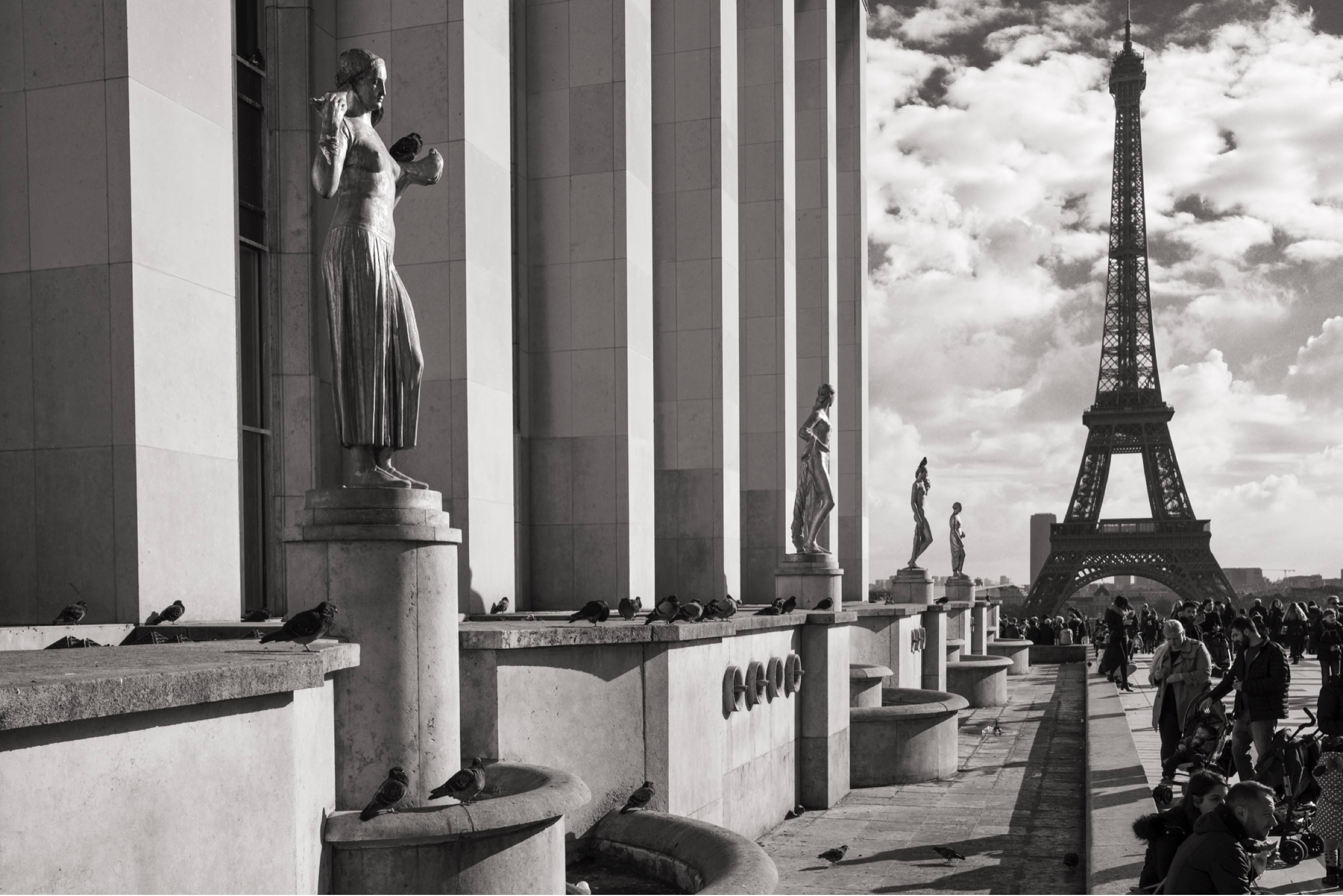
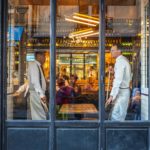
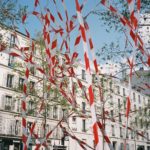

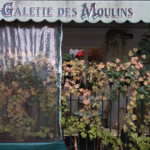


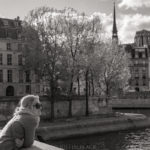
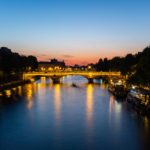
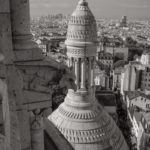
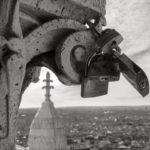
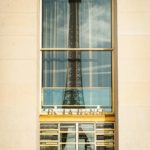
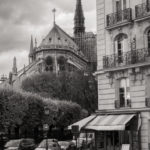

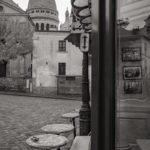
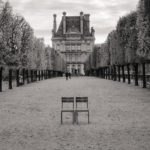
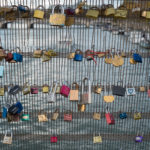
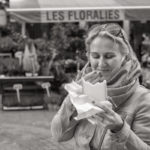
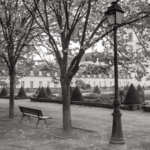
Paris and photography; photography and Paris – the two have been bound together in a lyrical poetic dance since the invention of the medium nearly two centuries ago. Her romantic beauty, layers of history, and progressive culture have long attracted many of the world’s greatest artists, among them some of the most important photographers of the last century – Atget, Kertész, Brassaï, Doisneau, Cartier-Bresson, and many more – yielding a collective body of work that informs our notions of the City of Light to this day.
Beyond the nostalgia and iconic views, however, Paris is always evolving. We find inspiration in the photographic raw material that Paris offers the creative photographer to capture new visions woven from aspects of past, present, and future. We invite you to join Justin Black and Paris-based photographic artist Julia Keil for this small-group workshop for just six passionate photographers, based at a 5-star boutique hotel on the Left Bank in Saint-Germain-des-Prés, the heart of the 6th Arrondissement. We will explore our favorite vantage points along the river Seine, the city’s markets, parks, avenues, and side streets, so full of life, culture, and characters from another time. The streets of Paris have a unique ability to breathe beauty, and the city wears many faces depending on the time of day or night, the weather and the path you take through it. Through the changing light in early morning and evening, Julia and Justin will encourage you to open your mind’s eye to make the most of available opportunities, sharing creative insights and helpful instruction throughout. There is nothing like losing yourself in the Parisian arrondissements with childlike eyes, with the city’s symphony in your ears, wondering what notes may be played next.
While we are there, we’ll take advantage of Paris’s status as one of the world’s great centers of photography, to make visits to at least two of the city’s most important photography galleries, drawing inspiration from exhibitions of work by great masters and contemporary artists alike. Back at our hotel’s meeting room, we will hold at least two group image reviews during mid-day hours, to provide you with constructive feedback that you can then apply during our next photographic outing. When we have a little down time during the day, you’ll be free to explore on your own, edit your photographs, or just relax. And, of course, we invite you to join us for a celebration of Parisian gastronomic delights at group meals in some of our favorite cafés and restaurants.
If you have a spouse, partner or friend who would enjoy this exploration of Paris, we have two additional spaces available for accompanying non-photographers (limit of one accompanying non-photographer per participant). Accompanying non-photographers are welcome to join the group on all excursions and at meals, but photographic instruction in the field and classroom/critique sessions are not included in this registration option.
At the request of a few regular clients, we have designed this creative photography workshop in Paris, France. I find photographing in Paris exhilarating and immensely productive, and though I know my way around, there is no substitute for local knowledge and experience. So, I’ve invited my friend Julia Keil, an immensely talented Paris-based photographic artist, to join us as co-leader. Julia knows the city intimately, has a great deal of experience teaching photographers to make the most of Paris as a creative palette. She is warm, engaging, and an absolute joy to spend time with. Together, we will teach you how to use the characteristic and unique opportunities offered by the city to create unique creative compositions, rather than simply doing a “tick list” of iconic views (though I suppose some of that is inevitable). We look forward to welcoming you for this creative exploration of the City of Light! –Justin Black

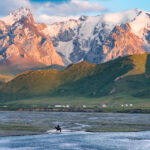
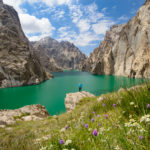
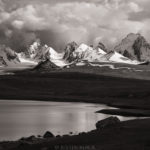
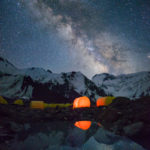
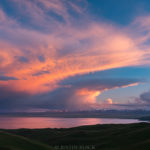
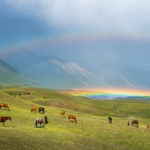
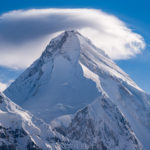
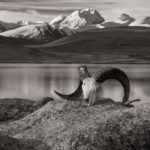
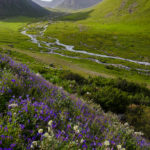
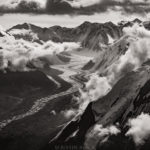
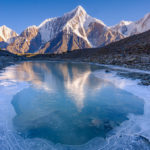
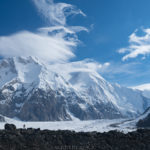
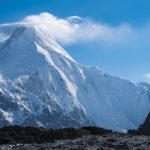
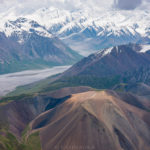
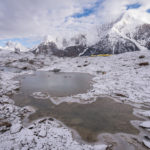
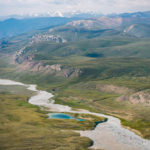
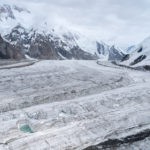
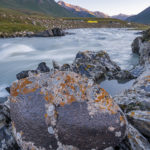
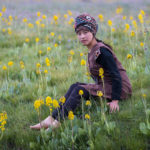
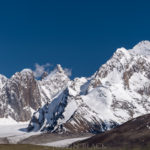
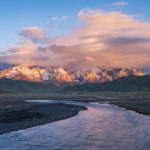
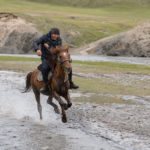
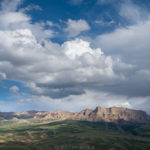
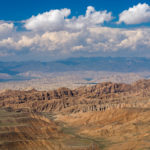
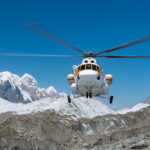
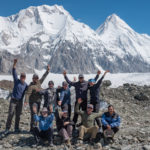
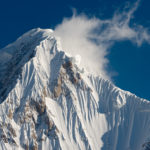
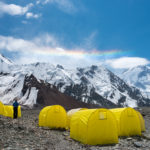
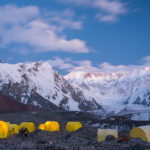
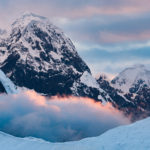
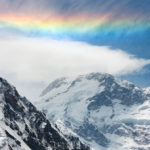
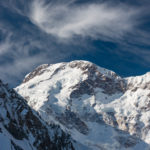
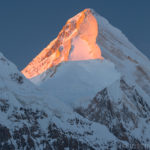
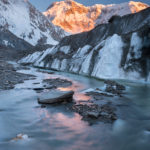
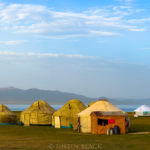
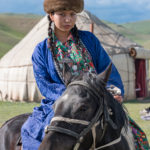
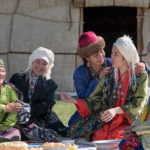
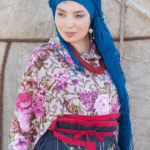
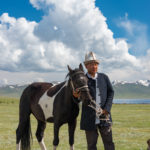
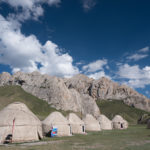
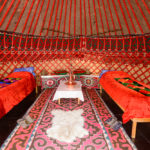
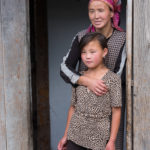
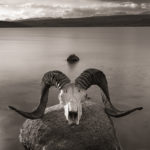
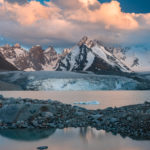
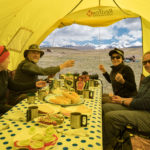
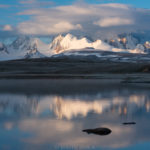
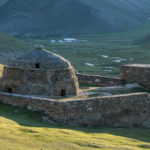
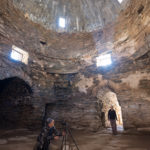
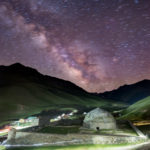
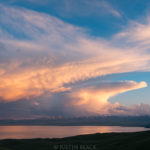
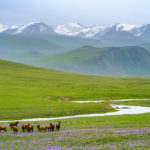
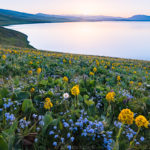
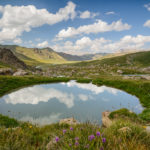
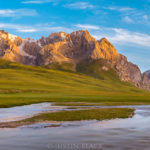
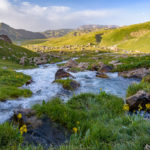
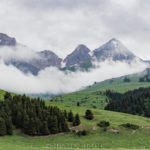
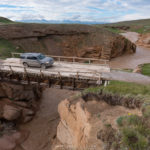
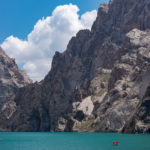
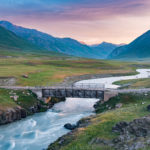
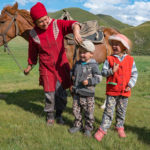
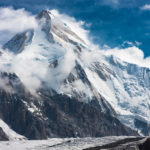
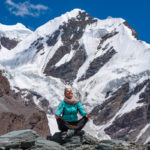
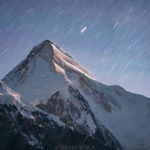
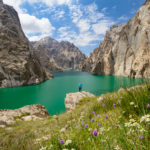
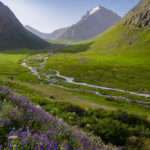
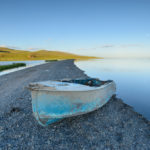
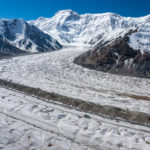
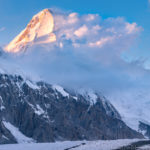
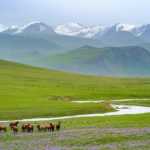
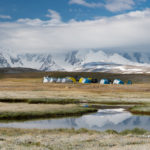
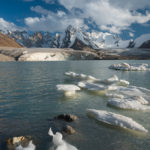
For lovers of wild mountain landscapes, few destinations on Earth are more spectacular than the Kyrgyz Republic (also known as Kyrgyzstan) with its soaring peaks ranging from Alpine to Himalayan in beauty and scale, glaciers, pristine lakes, wild rivers, spruce and fir forests, alpine wildflowers, and expansive high pastures. The Tien Shan mountains rise higher and wilder than the Rockies, Sierra Nevada, Alps, or Andes – peaks below 16,000-feet in elevation are barely considered worthy of a name. Along the Chinese border, the Kokshaal-Too range soars to truly Himalayan heights, including the world’s most northern summits over 7,000 meters (22,965 feet): Khan Tengri (translation: Lord of the Skies) and Jengish Chokusu (also known in Russian as Pik Pobeda, or Victory Peak). The landscape beneath the peaks is sublime: glacier-carved gorges, slopes covered in alpine wildflowers (there is more edelweiss here than in the Alps), raging rivers, spruce and fir forests, and high pastures (“jai-loh”) where semi-nomadic Kyrgyz graze small herds of horses, yaks, sheep, and cattle during the short summer.
Kyrgyzstan’s majestic mountain landscapes and unspoiled natural beauty make it a gem for avid photographers, but it has been relatively unknown and little-visited. Kyrgyzstan is now gaining recognition as a highly desirable travel destination for its magnificent mountains, glacier-fed lakes, wild rivers, comfortable climate, and unique and welcoming culture. It was recently ranked #5 on Lonely Planet’s Best in Travel 2019 Top Countries list. While others are just discovering Kyrgyzstan, Visionary Wild recognized its vast opportunity for photography years ago. Based on extensive scouting we have carefully developed an exceptional photography-focused itinerary for those seeking to travel in style and comfort, with a spirit of exploration and adventure.
Our adventure begins in the Kyrgyzstani capital of Bishkek, where our guests will be met at the airport and transferred to the thoroughly modern Solutel Hotel, offering excellent accommodations and English-speaking staff, conveniently located in the city center. There, we will welcome you to our introductory orientation and first dinner as a group. Early the next morning, we load up into our four-wheel-drive caravan, comprising three highly capable and comfortable Toyota Sequoias to carry our six guests, plus Visionary Wild photo leaders Justin Black and Jerry Dodrill, both veteran Kyrgyzstan travelers. Two additional 4WD support vehicles will carry gear, provisions, our cook and camp staff. From there, we set off on our spectacular route through the Tien Shan mountains.
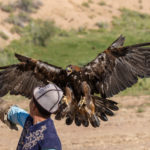
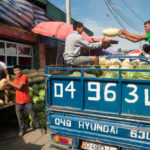
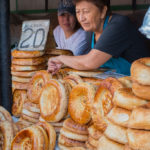
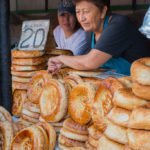
Our itinerary is designed to take advantage of prime light on the landscape morning and evening each day. After dark, clean air and absence of light pollution provide a superb opportunity for nighttime landscapes including the Milky Way. Wildlife we typically see at some point along the way includes golden eagles, Marco Polo sheep (the largest wild sheep in the world), Lammergeier (a bird of prey with a ten-foot wingspan, related to the Egyptian vulture), ibex, and marmots. If we are very lucky, we might even see a wolf or snow leopard. We will also enjoy excellent opportunities to interact with and photograph the Kyrgyz people themselves, particularly herders in the high pastures, families at our yurt camps, and at the sprawling and colorful Osh Market in Bishkek. This will be a highly productive and immensely fun photographic adventure that you’ll never forget.

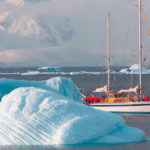
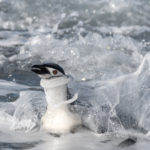
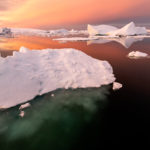
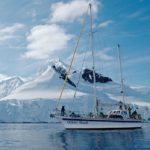
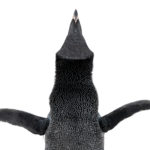
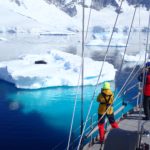
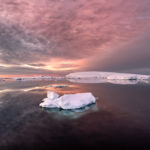
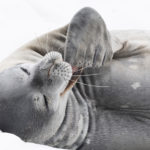
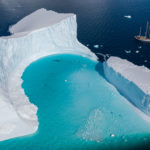
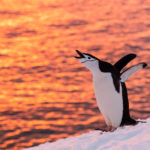
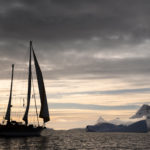
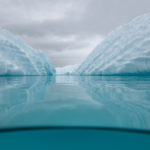
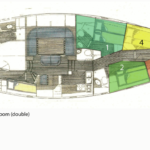
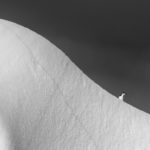
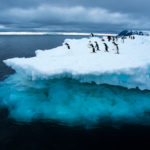
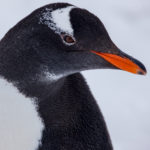
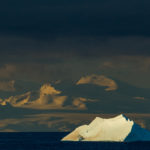
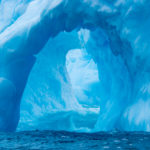
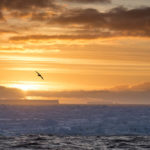
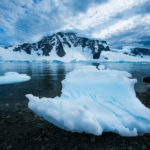
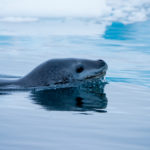
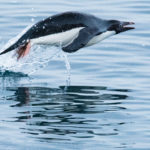
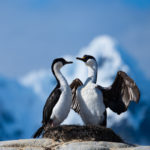
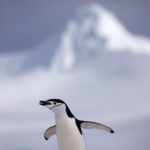
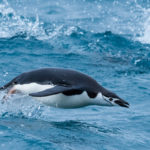
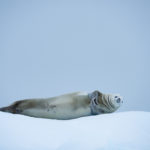
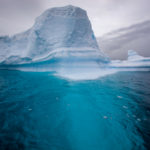
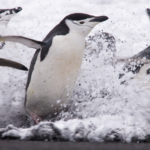
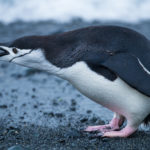
We are pleased to offer this intimate private-charter photographic expedition, including round trip flights across the Drake Passage, 13-nights aboard S/V Ocean Tramp, and instruction and guiding throughout by award-winning photographer and polar specialist Daisy Gilardini.
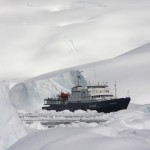
Ocean Tramp is a 20-meter motor-sail yacht (specifically, a ketch) which is operated by personal friends of Visionary Wild founder Justin Black, whose company Quixote Expeditions specializes in small-vessel Antarctic adventures. In an era when Antarctic expedition vessels are getting larger and larger, Ocean Tramp offers a wonderful way to go with a very small group of just six guests, on a comfortable vessel that can get into locations that bigger ships can’t reach.
Spend almost two weeks on location at Antarctica, rather than wasting precious days “rockin’ and rollin'” on the Drake Passage crossing. As master of the boat, Daisy will work with Captain David Roberts (U.K.) to choose the best route to maximize the photographic opportunities at destinations along the way, responding to local conditions of weather and ice. Captain Roberts and Ocean Tramp’s experienced first mate and cook have an excellent track record of delivering exceptional Antarctic experiences for their guests.
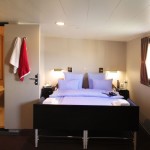
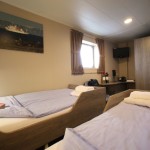
Ocean Tramp normally sleeps eight guests in four cabins, but we are limiting the group size to six to eliminate crowding onboard, in the Zodiac, and at landing sites. The boat’s Shackleton Suite features an en-suite private bathroom, while the other three cabins share two bathrooms.
If you have any questions at all, please let us know. We hope you will join us on this Antarctic adventure!
VIDEO OF S/V OCEAN TRAMP IN ANTARCTICA
https://youtu.be/jAPXU7DH1ik
VIDEO TOUR OF INTERIOR OF S/V OCEAN TRAMP, by our friend Laura Smith of Quixote-Expeditions: https://youtu.be/YNpsYLosl3M

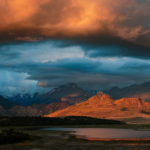
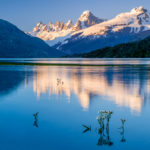
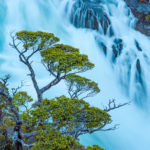
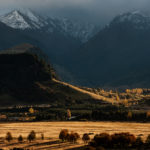
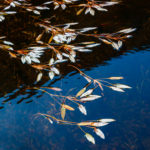
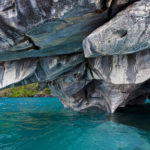
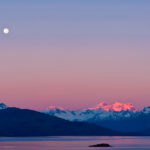
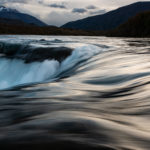
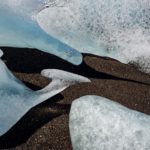
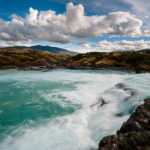
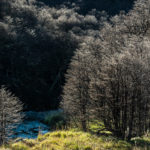
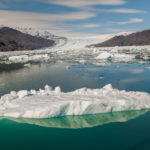
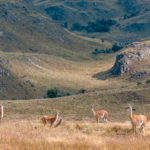
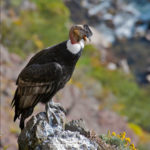
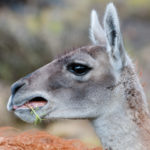
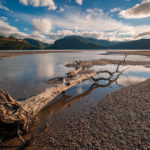
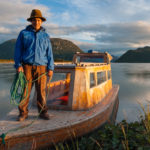
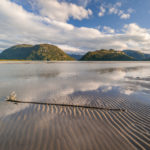
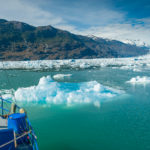
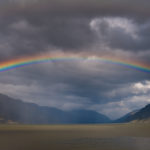
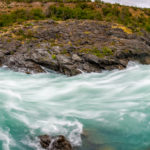
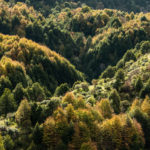
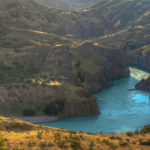
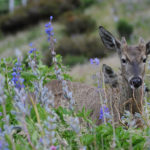
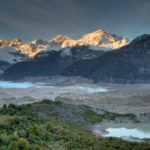
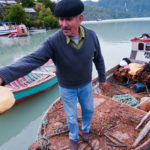
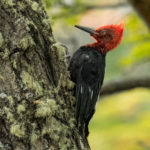
PATAGONIA is vast and beautiful, and there is a great deal most visitors never see, beyond the most iconic locations like Torres del Paine National Park. While Torres represents a wonderful microcosm of what Patagonia has to offer, Chile’s little-visited Aysén region is home to soaring peaks, pristine lakes, wild turquoise rivers, water-sculpted marble caves, unique forest ecosystems, and numerous glaciers descending from the massive Northern Patagonian Ice Field. It offers the passionate photographer incredible opportunities for landscape, wildlife, and cultural photography, without the tour buses of the more heavily touristed Patagonian destinations. Put simply, the wild serenity, scenic splendor, and photographic potential will amaze you.
We are visiting in the Patagonian spring, when the lupines and other wildflowers are in full bloom, the rivers are roaring, and the high peaks still wear veils of fresh snow. Our trip begins in Balmaceda, Chile (population approximately 500), the location of the regional airport, with direct flights from Chile’s capital of Santiago. You will be met upon exit from baggage claim by our local guide team, headed by our good friend Ruth Cohen, regarded as one of the very best guides in Chilean Patagonia. Then, transfer to Patagonia House, Ruth’s excellent boutique lodge on the outskirts of the regional capital of Coyhaique (population approx. 50,000). We’ll all gather there and then kick off our adventure with a festive welcome dinner to get to know everyone. The next morning after breakfast, we will load up in our two spacious passenger vans, with plenty of extra room for gear and luggage, and proceed on the rest of our journey through the stunning landscape of Aysén. We will take helicopter flights to do aerial photography over the ice cap, a jet boat trip to the face of the Leones Glacier, and an excursion by boat through the fjords. See below for the full itinerary.
Eddie Soloway and Justin Black will lead this small group of passionate photographers (limited to eight guests) on field sessions adapted to make the most of the best opportunities presented to us by light, weather, landscape, and wildlife each day. Emphasis will be on creative photography and hands-on mentoring in the field. We’ll photograph when the conditions and light are their best, and we’ll gather for presentations on composition, visualization, qualities of light, technique, and digital workflow at times when light or weather aren’t as conducive for photography (during harsh mid-day light, if a rain storm passes through, etc.). We will also hold constructive critiques of participant photographs and then head back out into the field to apply what we’ve learned.
Excursions will include helicopter flights (each guest gets one flight) to do doors-off photography over the spectacular Northern Patagonian Ice Field and Monte San Valentin, a jet boat excursion from Lago Leones to the Leones Glacier, a boat excursion to Marble Caves on Lago General Carrera, as well as a day aboard a private expedition boat to visit the fjords and the Jorge Montt Glacier. Via our group vehicles, we’ll visit spectacular locations that we have explored on prior visits. Some locations involve short hikes, but nothing particularly strenuous.
Each evening, we will gather for a nice dinner and some good Chilean wine. Then it’s off to bed to get some rest, as most mornings we’ll be out around 5:30am to take advantage of the incredible pre-dawn light. Breakfasts and lunches will be handled in relation to our photographic activities, served either at our accommodations or local restaurants, or in the field as a gourmet picnic.

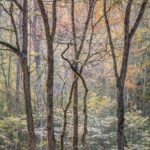
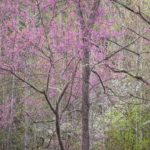
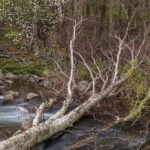
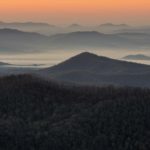
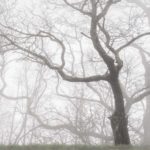
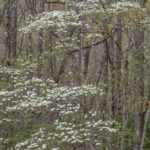
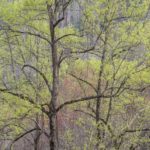

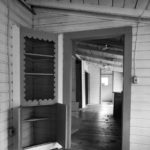
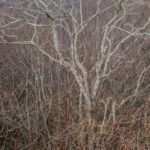
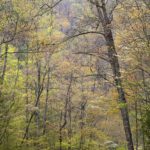
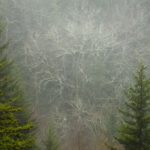
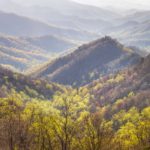
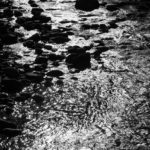
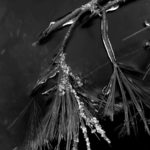
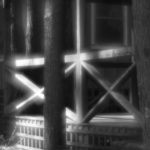
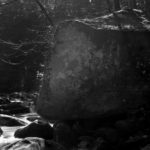
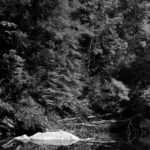
In April, Great Smoky Mountains National Park comes alive with the elegant rebirth of spring in the Appalachian mountains on the border between Tennessee and North Carolina. Redbud and dogwood trees bloom, fragile new pale-green leaves emerge, and fog brings simplicity to the chaotic the forest backdrop. This is without question one of the gems of the National Park system, and along with neighboring Blue Ridge Parkway it represents the highlight of Appalachia. Offering easy to a wide range of opportunities from expansive landscapes to intimate designs, it’s one of our favorite outdoor photographic “classrooms,” visiting midweek in spring means no crowds in this, the most visited park in the entire National Park System.
Your instructors are two of the most highly regarded – and down to earth – fine art photographers working today: Charles Cramer and Tillman Crane. Working in digital color and black & white platinum-palladium processes respectively, both are renowned as master print makers and natural teachers.
Charles is a masterful artist renowned for landscape photographs that derive their power from their elegant composition and gentle calm. He has returned again and again to Appalachia over the years to draw inspiration from its atmospheric interplay of light, mist, and elegant graphics. Garnering rave reviews whenever he teaches, Charlie enjoys nothing more than sharing his insights, creativity, and craftsmanship with other passionate photographers in an effort to help them refine their own vision.
Tillman’s motto is, “Great photographs can be made in ordinary places.” His distinctive platinum photographs combine 19th-century materials with a 21st century aesthetic. A former photojournalist turned artist, he loves Great Smoky National Park and Appalachia in general for its combination of nature and fascinating human history. Tillman has been teaching the art and craft of photography for three decades, and his passion for the artform continues to evolve as he embraces modern digital technology while simultaneously furthering his mastery of the platinum/palladium print. The focus of his imagery remains on the unique qualities of light and sense of place in the ordinary, everyday locations where he lives and teaches.
This all-inclusive workshop will be based at Highland Manor Inn, in the village of Townsend, Tennessee, the quietest of the three “gateway” communities accessing the park. This base of operations provides excellent access to field locations. Along with eight field sessions, Charlie and Tillman will present projected lectures on composition, light, exposure control, anticipating and working through changing conditions, and essentials of digital image development. A minimum of two constructive critique sessions will provide essential feedback on images created by participants in the workshop.
This Creative Core workshop deals heavily with developing creativity and visualizing compositions, with a great deal of photography in the field. Creative Core workshops are general outdoor photography workshops designed to expose participants to the full creative toolbox, but the emphasis of individual participants’ work is up to them. Whether they wish to focus on classic landscape, abstraction, color, black and white, HDR, panoramics, multiple exposures, or all of the above, any enthusiastic photographer will feel right at home in this workshop. Together, Charlie and Tillman have over 75 years of combined experience successfully accommodating a range of experience levels within the context of photographic workshops.
In advance of the session, we supply materials to get everyone up to speed with fundamentals of digital camera set-up and technique, as well as essential equipment recommendations, recommended packing list, and other guidelines to ensure that everyone is ready to make the most of the experience. Users of film are of course welcome to join the workshop, though in order to participate in critiques they will need to either bring digital files or prints of existing work.
Note: This workshop is operated under National Park Service Commercial Use Authorization.
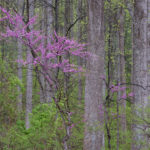

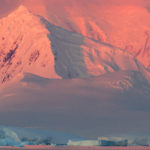
Note: As this opportunity has developed on very short notice, and availability of berths is limited, this expedition may be booked directly through our office only. Please either call us at +1-202-558-9596 or email Director of Operations Jennifer Woolley at jennifer@visionarywild.com to book this trip or be added to the waiting list. Online bookings for this expedition are not enabled at this time.
We are pleased to offer this intimate private-charter photographic expedition, including round trip flights across the Drake Passage, 12-nights aboard S/V Ocean Tramp, and instruction and guiding throughout by National Geographic photographer Michael Melford.
Ocean Tramp is a 20-meter motor-sail yacht (specifically, a ketch) which is operated by personal friends of Visionary Wild founder Justin Black, whose company Quixote-Expeditions specializes in small-vessel Antarctic adventures. In an era when Antarctic expedition vessels are getting larger and larger, Ocean Tramp offers a wonderful way to go with a very small group of just six guests, on a comfortable vessel that can get into locations that bigger ships can’t reach.
Spend almost two weeks on location at Antarctica, rather than wasting precious days “rockin’ and rollin'” on the Drake Passage crossing. As master of the boat, Michael Melford will work with Captain David Roberts (U.K.) to choose the best route to maximize the photographic opportunities at destinations along the way, responding to local conditions of weather and ice. Captain Roberts and Ocean Tramp’s experienced first mate and cook have an excellent track record of delivering exceptional Antarctic experiences for their guests.
Ocean Tramp normally sleeps eight guests in four cabins, but we are limiting the group size to six to eliminate crowding onboard, in the Zodiac, and at landing sites. The boat’s Shackleton Suite features an en-suite private bathroom, while the other three cabins share two bathrooms.
Travel insurance and medical evacuation insurance are required for this trip.
If you have any questions at all, please let us know. We hope you will join us on this Antarctic adventure!
Contact info@visionarywild.com or +1-202-558-9596 to register or for more information.
VIDEO OF S/V OCEAN TRAMP IN ANTARCTICA
https://youtu.be/jAPXU7DH1ik
VIDEO TOUR OF INTERIOR OF S/V OCEAN TRAMP, by our friend Laura Smith of Quixote-Expeditions: https://youtu.be/YNpsYLosl3M

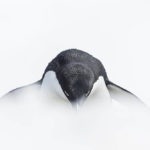
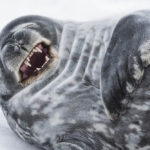
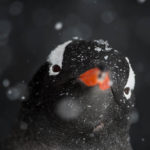
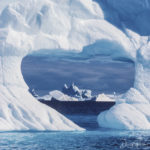
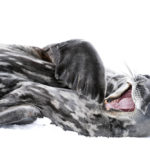
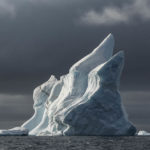
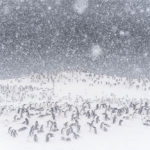
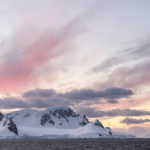
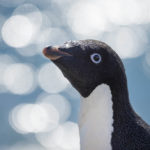
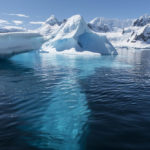
We are pleased to offer this intimate private-charter photographic expedition, including round trip flights across the Drake Passage, 13-nights aboard S/V Ocean Tramp, and instruction and guiding throughout by award-winning photographer and polar specialist Daisy Gilardini.
Ocean Tramp is a 20-meter motor-sail yacht (specifically, a ketch) which is operated by personal friends of Visionary Wild founder Justin Black, whose company Quixote-Expeditions specializes in small-vessel Antarctic adventures. In an era when Antarctic expedition vessels are getting larger and larger, Ocean Tramp offers a wonderful way to go with a very small group of just six guests, on a comfortable vessel that can get into locations that bigger ships can’t reach.
Spend almost two weeks on location at Antarctica, rather than wasting precious days “rockin’ and rollin'” on the Drake Passage crossing. As master of the boat, Daisy will work with Captain David Roberts (U.K.) to choose the best route to maximize the photographic opportunities at destinations along the way, responding to local conditions of weather and ice. Captain Roberts and Ocean Tramp’s experienced first mate and cook have an excellent track record of delivering exceptional Antarctic experiences for their guests.
Ocean Tramp normally sleeps eight guests in four cabins, but we are limiting the group size to six to eliminate crowding onboard, in the Zodiac, and at landing sites. The boat’s Shackleton Suite features an en-suite private bathroom, while the other three cabins share two bathrooms.
If you have any questions at all, please let us know. We hope you will join us on this Antarctic adventure!
Contact info@visionarywild.com or +1-202-558-9596 to register or for more information.
VIDEO OF S/V OCEAN TRAMP IN ANTARCTICA
https://youtu.be/jAPXU7DH1ik
VIDEO TOUR OF INTERIOR OF S/V OCEAN TRAMP, by our friend Laura Smith of Quixote-Expeditions: https://youtu.be/YNpsYLosl3M

I feel very privileged to have participated in the 2016 Greenland expedition. It far exceeded my expectations. And, as someone who has traveled extensively, I would rate it as truly a trip of a lifetime. – Sid S., 2016 Greenland participant
Thank you for another fantastic VW expedition! What a privilege to experience and photograph this wild and remote area in comfort while accompanied by the best leaders offering a wealth of experience and a willingness to share their immense talents. Thanks to Justin’s meticulous advance planning, all the arrangements were perfect throughout. –David & Kathy R., 2015 Greenland participants
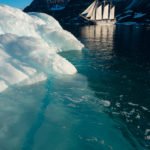
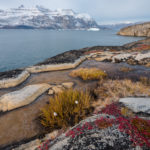
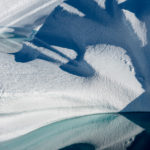
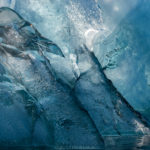
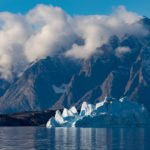
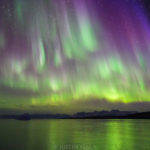
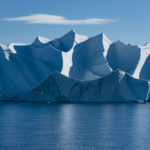
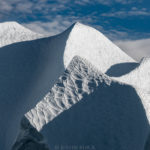
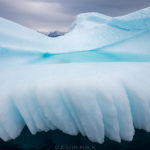
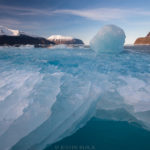
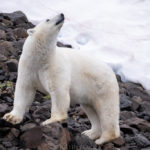
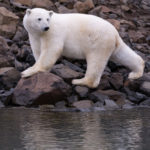
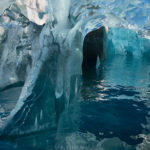
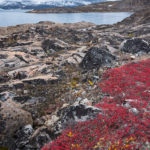
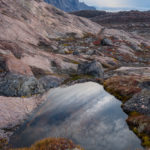
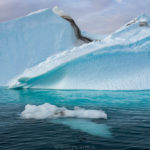
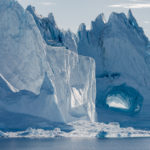
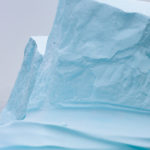
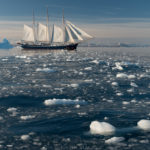
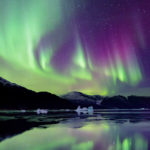
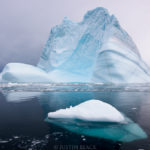
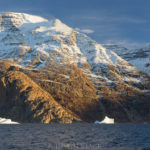
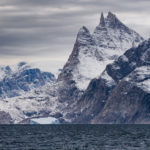
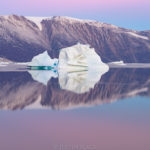
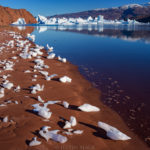
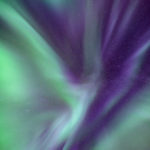
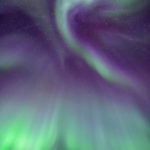
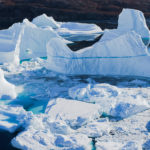
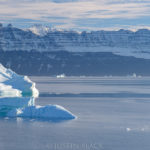
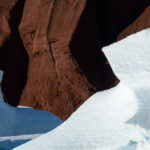
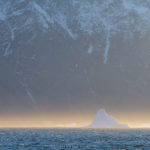
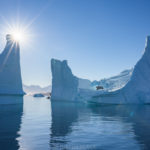
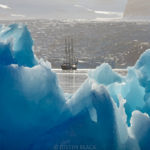
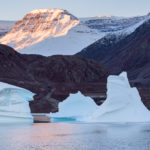
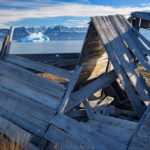
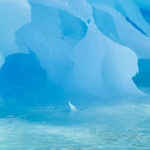
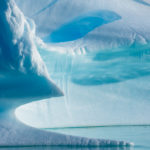
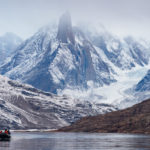
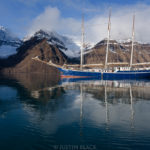
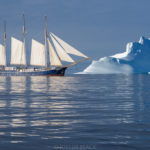
Greenland’s remote and little-visited ice fjords hold a wealth of arctic grandeur. Towers, arches, and walls of ancient blue ice thrust skyward from the water’s surface. Steep-walled fjords, soaring coastal mountains, tundra in autumn color, the vast Greenland Ice Sheet, and the Aurora Borealis combine to form an incomparable landscape. Join a world-class team of leaders – Daisy Gilardini, Daniel Beltrá, and Jerry Dodrill – for this expedition to Greenland, photographing this arctic wilderness in all its glory. With generous photographic instruction and attentive support throughout, explore the largest fjord system in the world – Scoresbysund, covering 14,700 square miles and penetrating over 200 miles into Greenland’s interior – aboard the three-masted expedition vessel Rembrandt van Rijn.
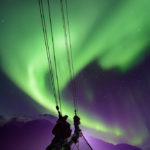
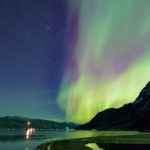
We will make frequent landings by zodiac to photograph in morning and evening light, and as serendipity presents us with compelling opportunities along the way. In addition to the arctic landscape, we will photograph whales as we encounter them, as well a variety of coastal and pelagic birds such as fulmars, kittiwakes, and gannets. Excursions by Zodiac take us in among the icebergs. The ethereal glow of the Aurora Borealis dancing in the night sky over the iceberg-dotted fjords and bays will be the sight of a lifetime. One thing is for certain: this expedition will yield extraordinary photographic opportunities. This is of course a floating workshop as well, and while underway, Daniel, Daisy, Jerry, and the ship’s expedition staff will make instructive and inspiring presentations, answer your questions, and offer constructive feedback on participants’ photographs during group critique sessions, with the aid of the ship’s four large LCD screens.
Greenland was a trip of a lifetime. Imagine fog-shrouded icebergs, vibrant red/orange/yellow tundra, unreal sunsets, glistening ice and snow, colorful villages clinging to rocky headlands, Northern Lights and so much more under the generous guidance of world class instructors. I learned so much while having lots of fun. Thank you! –Ann L., 2015 Greenland participant
Our adventure begins in Reykjavik, Iceland, the world’s northernmost capital. Guests will be greeted upon arrival at Keflavik International Airport and transferred to the elegant Hotel Holt, conveniently located in the city center. After an introductory group meeting and dinner at Grillmarket, one of Reykjavik’s finer restaurants, the next morning we board our private charter flight to Greenland’s east coast. Awaiting our arrival will be our private floating base camp: the 168-foot, three-masted schooner Rembrandt van Rijn (click here for more about RVR). We are booking the entire ship for our exclusive use to ensure ample space for our group both on the ship and in zodiacs – our group will consist of sixteen to eighteen participants and three leaders (though Rembrandt normally sleeps up to 33 guests) in addition to her twelve-person crew and expedition staff. She is exceptionally well-suited to exploration and photography along the Greenland coast, with a reinforced hull, expansive unobstructed sight lines even under sail, and very comfortable accommodations.
To make this special itinerary possible, we have arranged private Air Iceland charter flights aboard modern twin-engine turboprop airliners (Bombardier Q200). After disembarking Rembrandt at Constable Point, we will be picked up by our aircraft and flown back to Reykjavik, where a celebratory group dinner and final restful night at the Hotel Holt await you.

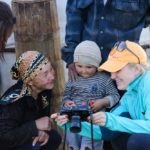
Client Testimonials
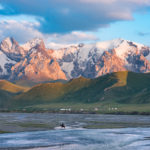
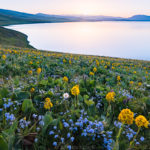
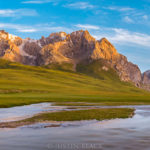
For lovers of wild mountain landscapes, the Kyrgyz Republic is among the most underrated travel destinations on Earth. The Tien Shan mountains rise higher and wilder than the Rockies, Sierra Nevada, Alps, or Andes, and peaks below 16,000-feet in elevation are barely considered worthy of a name. Along the Chinese border, the Kok Shaal-Too range soars to truly Himalayan heights, including the world’s most northern summits over 7,000 meters: Khan Tengri and Jengish Chokusu (also known as Pik Pobeda, or Victory Peak). The landscape beneath the peaks is sublime: glacier-carved gorges, grassy slopes covered in alpine wildflowers, raging wild rivers, spruce and fir forests, and high pastures (“jai-loh”) where semi-nomadic Kyrgyz graze small herds of horses, yaks, sheep, and cattle during the short summer.
The sheer scale and beauty of this landscape is phenomenal, but what is almost unimaginable is the fact that it is barely on the tourist radar. The Kyrgyz Republic is solidifying democracy, and the Kyrgyz people take their freedom seriously. Though it is commonly referred to as the “Switzerland of Central Asia,” this complimentary moniker neglects to recognize the nation’s unique qualities. A former Soviet republic with slow economic growth, Kyrgyzstan has been spared excessive development, so what it lacks in infrastructure is made up for with glorious wild nature. The Kyrgyz people are a nomad culture that boasts the longest history of all currently extant groups in Central Asia. Over the last fifteen centuries, their language and culture have survived the Chinese, the Mongols, various Khaganates, the Russians, the Soviet era, and the challenges of building a viable democracy.
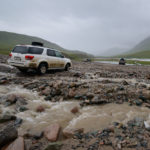
Our adventure begins in the Kyrgyz capital of Bishkek, where our guests will be met at the airport and transferred to the thoroughly modern Solutel Hotel, offering excellent accommodations in the city center. There, we will welcome you to our introductory orientation and first dinner as a group. Early the next morning, we load up into our four-wheel-drive caravan, comprising three highly capable and comfortable Toyota Sequoias to carry our six guests, plus Visionary Wild photo leaders Justin Black and Jerry Dodrill, both veterans of three prior trips to Kyrgyzstan. Two additional 4WD support vehicles will carry gear, provisions, our cook and camp staff. From there, we set off on our spectacular route through the Tien Shan mountains.
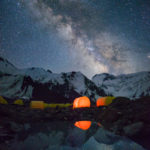
Our itinerary is designed to take advantage of prime light on the landscape morning and evening each day. After dark, clean air and absence of light pollution provide a superb opportunity for nighttime landscapes including the Milky Way. Wildlife we typically see at some point along the way includes golden eagles, Marco Polo sheep (the largest wild sheep in the world), Lammergeier (a bird of prey with a ten-foot wingspan, related to the Egyptian vulture), ibex, and marmots. If we are very lucky, we might even see a wolf or snow leopard. We will also enjoy excellent opportunities to interact with and photograph the Kyrgyz people themselves, particularly herders in the high pastures, families at our yurt camps, and at the sprawling and colorful Osh Market in Bishkek. This will be a highly productive and immensely fun photographic adventure that you’ll never forget.
Note: We advise anyone considering this adventure to read “Travel in the Kyrgyz Republic,” farther down on this page.
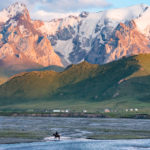
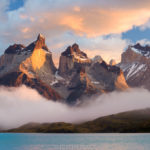
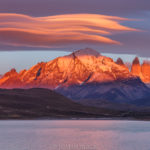
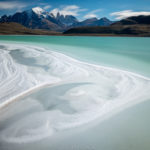
This combination of workshop and expedition is a unique hit! The leaders knew the area, worked well together, imparted their knowledge with enthusiasm and congeniality to each participant and the local staff were professional and helped us as a group and individually at all times. The logistics and lodgings were excellent. An outstanding photographic experience! –S. Dater, 2015 Patagonia participant
We returned home with lots of great memories and many images to review and process! It was a very well organised trip & thanks again to the entire team. We will definitely look at Visionary Wild when planning future trips. –G. & H. Cuff, 2018 Patagonia participants
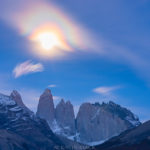
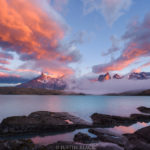
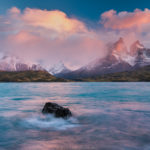
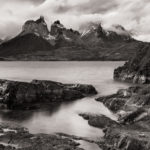
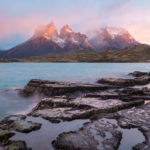
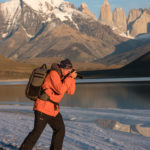
Patagonia: the word is synonymous with awe-inspiring landscape, and Torres del Paine National Park is both its crown jewel and a microcosm of the most aesthetically appealing features of the region. This hybrid program – part expedition, part workshop, led by National Geographic photographer Michael Melford and Justin Black is designed to maximize opportunities to execute well-crafted and compelling photographs that capture the spirit of this incredible place. Participants will have ample time to get to know Torres del Paine during its colorful autumn splendor, and your photography there will benefit from the opportunity to revisit fruitful situations to apply lessons learned and to take advantage of changing weather and light. The goal is for each participant to come away from this trip with a strong body of work, a new body of knowledge, new friendships, rejuvenation, and priceless memories.
Puma Extension – Save $1,000: Those interested in the best opportunity on Earth to photograph wild pumas up close should note that this itinerary is preceded immediately by and can be combined perfectly with our Pumas of Patagonia trip led by Roy Toft, March 30-April 6. Joining us for both itineraries entitles you to a $1,000 discount on the combined cost (on a per person basis, in either single or double-occupancy).
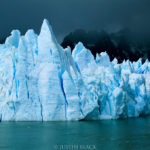
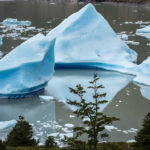
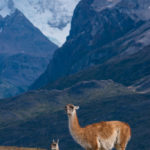
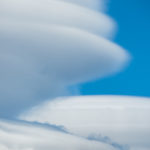
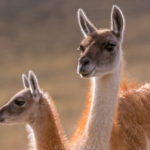
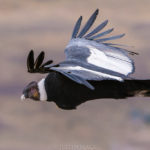
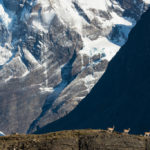
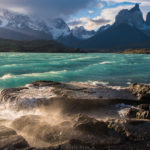
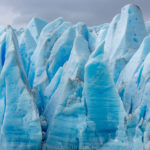
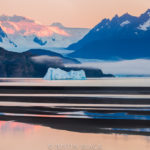
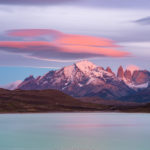
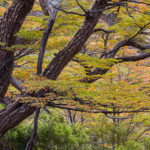
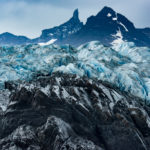
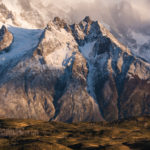
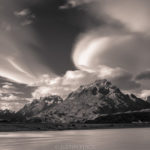
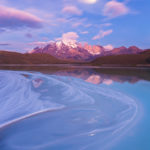
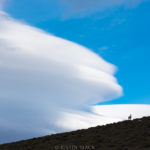
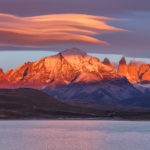
Torres del Paine National Park and Biosphere Reserve is the centerpiece of Patagonia – the ultimate distillation of the region’s most inspiring qualities. It’s one of those rare places that routinely exceeds the grandest dreams of even the most experienced photographers. Peaks and spires thrust abruptly upward above turquoise lakes, forcing moisture-laden winds off the ocean to form soaring lenticular clouds that catch the fiery sunrise and sunset alpenglow. Glaciers spill down from the Patagonian icecap, depositing cobalt blue icebergs on the shores of Lago Grey. Endemic lenga and ñirre tree forests glow in hues of gold and copper in the southern autumn. Rivers tumble over cascading waterfalls as condors ride thermals on the flanks of the Cordillera del Paine mountains. Guanacos, foxes, and pumas range over the golden pampas, and flamingoes wade the lagoons. At this time of year, the days are a manageable length with extended periods of dawn and dusk, and the sun never rises more than 35 degrees above the horizon. The quality of light is spectacular.
Michael Melford and Justin Black will lead the small group on field sessions adapted to make the most of the prevailing conditions each day. Emphasis will be on photography and hands-on mentoring in the field. We’ll photograph when the conditions are good, and we’ll gather in the lodge for presentations on light, composition, visualization, technique, and digital workflow at times when light or weather aren’t as conducive for photography (during harsh mid-day light, if a rain storm passes through, etc.). We will also hold constructive critiques of participant photographs, and then head back out into the field to apply what we’ve learned.
Excursions will include trips by ferry to visit the calving face of Glacier Grey and, via our group vehicles, spectacular locations around the park that we have discovered and scouted thoroughly on numerous prior visits. Some locations involve short hikes, but nothing particularly strenuous.

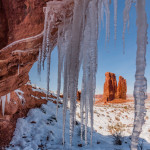
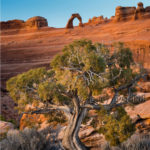
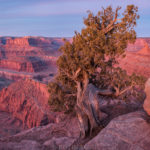
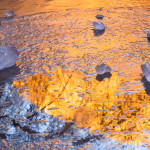
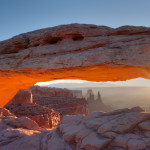
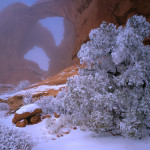
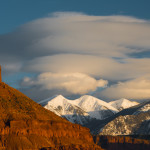
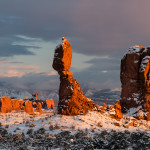
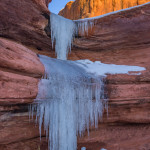
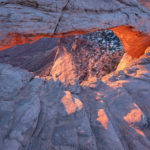
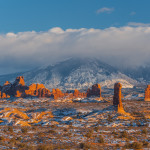
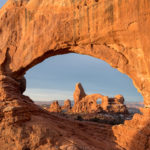
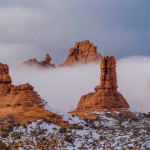
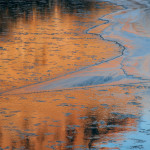
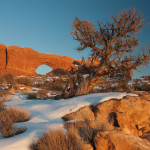
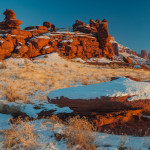
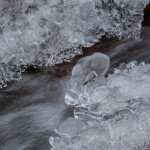
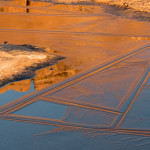
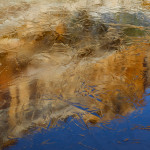
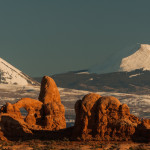
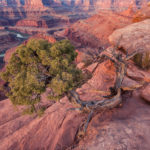
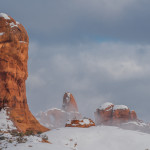
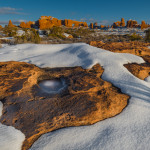
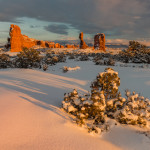
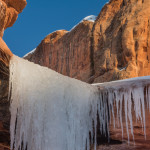
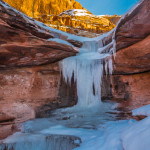
We are excited to operate our third workshop based in Moab, Utah, as we visit Arches National Park and Canyonlands National Park. We are going during the best time of the year—early. After researching visitor statistics, there is no better time: “In January of 2016, about 20,000 people visited Arches. By May, that number jumped to more than 200,000, according to the National Park Service.” Roads will be open and soft sheets of snow will illuminate the Parks. Arches National Park contains the highest density of natural arches in the world and Canyonlands National Park has multiple waterways carving away at the sandstone buttes and ephemeral pools with frozen surfaces, making for an impressive and serene landscape like no other.
Instructors Jeff Foott and Jerry Dodrill will lead eight field sessions to explore remote coves, canyons, creeks, the Colorado River, and striking desert ecology. Jeff lives nearby and can frequently be found exploring will know a lot of locations to scout and use for instruction. They will share insights that will help you to refine your creative vision, composition skills, and field techniques, understand the practical implications of human visual cognition, explore ways to use the element of time to expand your creative horizons, and help find ways to add greater purpose and meaning to your photography.
During field sessions, Jeff and Jerry will offer hands-on guidance on composition and technique, suggest creative ways to capture the mood and spirit of the place, and provide tips on creative use of aperture, shutter speed, filtration, multiple exposures, exposure blending, and panoramic stitching. Classroom sessions to review and critique your photographs will empower you to revisit and improve upon your creative ideas during subsequent outings. Friday morning will be the final field session, followed by critique until we adjourn at 3:00 pm.
Any enthusiastic photographer will feel right at home in this workshop. Jeff and Jerry are both experienced at successfully accommodating a range of experience levels in photography workshops. We supply materials in advance of the session to make sure all participants are prepared to get the most out of the experience.
The group size is limited to ten participants.
Workshop will be operated under a commercial use authorization issued by Arches National Park and Canyonlands National Park.
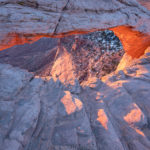

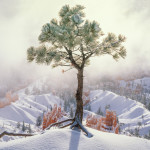
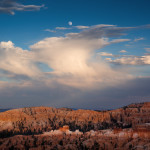
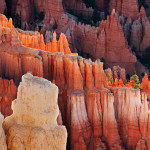
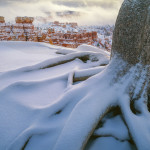
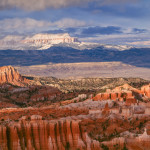
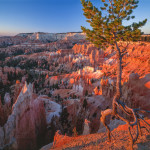
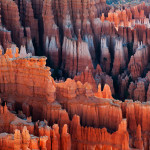
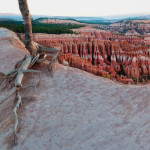
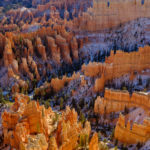
Refine your vision and harness the aesthetic potential of one of the world’s most geological wonders.
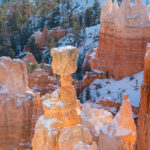
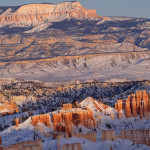
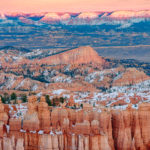
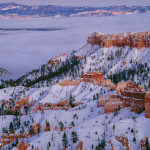
Wondering where to travel in winter? Bryce Canyon National Park is one of our favorite places to go to view some of the most unique opportunities during this season of snow dustings and low-angled light. Ponderosa pines, fir-spruce forests, slot canyons, horseshoe-shaped amphitheaters, and pink cliffs cover this area. Utah has a wealth of public lands to explore and challenge your photographic senses, and Bryce Canyon National Park in among the most rewarding.
This greatest concentration of hoodoos in the world – an unearthly landscape to be sure – was formed over hundreds of millions of years of deposition and erosion. Bryce’s colorful rock spires are oriented perfectly to catch the reflected morning light, resulting in a glowing fairytale landscape providing endless options for creative photography. Join us to capture its splendor.
This outdoor classroom is a highlight of our Vision series, a special program of advanced instruction focusing on refining your personal creative vision, composition, digital workflow and image processing, designed and presented by renowned photographers Jack Dykinga and Cliff Zenor. Both instructors have photographed Bryce extensively and know its secrets well. We will photograph at a variety of locations in the park during our morning and evening field sessions, with emphasis on the hoodoos and sculpted designs in the canyons.
Packaged with single-occupancy lodging at the Bryce Canyon Grand Hotel (a Best Western Plus property), located ideally near the park entrance, and with all meals, snacks and beverages included, this is a superb workshop scenario. We hope you’ll join us!
About Vision Workshops
The creation of a truly great finished photograph is part of a process from initial concept and vision through execution in the field to digital workflow and creation of a high-quality, final master file ready for printing or publication. Our Vision workshops address the two greatest challenges faced by photographers as they advance. The first of these is the tendency for original creative vision to reach a plateau in development, and the second is a digital workflow in need of streamlining and refinement to make the most of your images.
On Creative Vision:
When we experience images that really move us, we are aware that they have impacted us, though we may not know what it was in the image that made it so powerful. In other words, we know when it works, but can be difficult to quantify. I try to teach the time-honored components of fine photography to build successful compositions…even in ordinary situations. People ask me, “What’s the difference between a pro and an amateur?” My response is, (a) the amateur has better equipment and (b) the professional photographer must create a publishable image every single time. To be successful, the professional must be the practitioner of a disciplined approach to situations that will result in compelling images that inform and move people. This workshop is designed to unleash that creativity in my students. –Jack Dykinga
Both in the classroom and in the field, Jack and Cliff will focus on advanced seeing and ways to unlock creativity in situations that require conceptual and compositional ingenuity on the part of the photographer. In other words, they will answer the questions, “How do I make a great photograph when the subject matter and composition don’t suggest themselves to me?” and, “How do I avoid photographic clichés when the situation offers up a beautiful composition that is almost too obvious?”
Great photography starts with an impression – an idea, concept, or feeling – channeled through the photographer’s vision, but it doesn’t end there. Once you have a great composition in the bag, it takes good processing skills and aesthetic sensibilities to produce the best final image suitable for showcasing your talents.
Cliff will focus on teaching a logical, effective development workflow that ensures the highest quality for your work, as well an image archive that is stable, consistent, and retrievable over the long term, and that ultimately liberates rather than burdens. He will cover the step-by-step process from shooting RAW files in the field to optimizing the final image.
Workflow topics to be covered include:
As always, both instructors will be present to teach, assist, and socialize with participants throughout the workshop. The workshop includes eight field sessions, classroom lectures and ample hands-on instruction, critiques. Group meals provide an informal setting to socialize and address specific interests that may not be covered during lectures and classroom discussion.
The class size is limited to a small group of ten to ensure that everyone gets the time and attention they need, both in the field and the classroom.
We supply materials in advance of the session to get newcomers up to speed with basics having to do with digital camera set-up and techniques, essential equipment recommendations, and other guidelines to ensure that everyone is ready to make the most of the experience.
Note: Visionary Wild, LLC operates this workshop under a permit issued by the National Park Service at Bryce Canyon National Park.
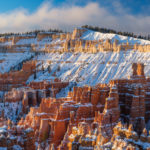

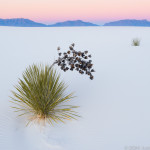
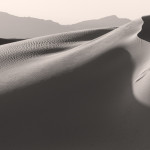
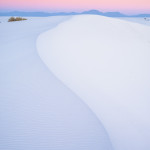
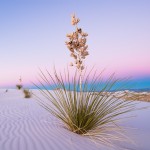
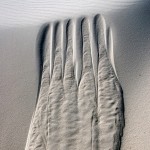
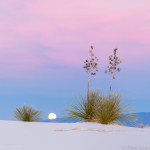
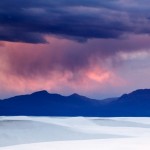
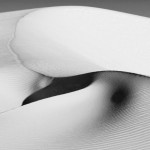
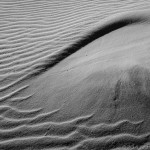
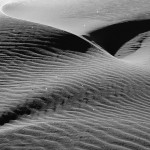
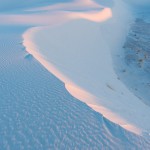
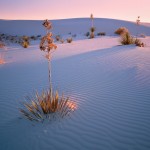
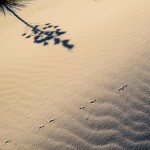
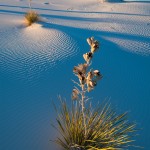
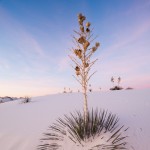
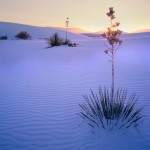
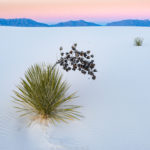
Pastel pinks and blues reflect from the sky at dawn and dusk, painting gypsum dunes that roll elegantly across the landscape. The tapestry of light and shadow, form and texture tempts the creative mind. Yuccas punctuate the landscape, rising in striking graphic isolation against the sand and sky. This is New Mexico’s White Sands National Monument, home of the world’s largest gypsum dune field, covering 275 square miles, set in a high desert basin with a dramatic mountain backdrop. This will be our outdoor classroom for this Vision series workshop, a special program of advanced instruction designed and presented by world-renowned photographers Jack Dykinga and John Shaw. Jack is recognized as one of the greatest practitioners and teachers in the history of landscape photography, and John is a natural photographic educator who is relied upon by some of the most successful photographers in the business to keep them current on digital workflow practices and Photoshop techniques. The combination is a uniquely effective and enjoyable experience.
Our fieldwork during this workshop will emphasize the search for elegant, carefully crafted compositions while anticipating the flow of light over the landscape each morning and evening. Opportunities abound, from classic near-far compositions that use yuccas to anchor foreground design, to abstracts harnessing the tones, curves and colors of the dunes, to broad panoramics and macro subjects.
The creation of a great finished photograph is part of a process from initial concept and vision through execution in the field to digital workflow and creation of a high-quality, final master file ready for printing or publication. Vision workshops with John Shaw and Jack Dykinga address the two greatest challenges faced by photographers as they advance. The first of these is the tendency for original creative vision to reach a plateau in development, and the second is a digital workflow in need of streamlining and refinement to make the most of your images. read more…

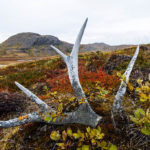
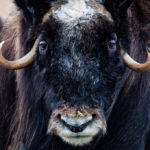
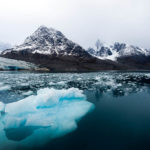
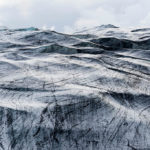
I feel very privileged to have participated in the 2016 Greenland expedition. It far exceeded my expectations. And, as someone who has traveled extensively, I would rate it as truly a trip of a lifetime. – Sid S., 2016 Greenland participant
Thank you for another fantastic VW expedition! What a privilege to experience and photograph this wild and remote area in comfort while accompanied by the best leaders offering a wealth of experience and a willingness to share their immense talents. Thanks to Justin’s meticulous advance planning, all the arrangements were perfect throughout. –David & Kathy R., 2015 Greenland participants
Greenland’s remote and little-visited ice fjords hold a wealth of arctic grandeur. Towers, arches, and walls of ancient blue ice thrust skyward from the water’s surface. Steep-walled fjords, dramatic coastal mountains, tundra in autumn color, the vast Greenland Ice Sheet, and the Aurora Borealis combine to form an incomparable landscape. Join this world-class team of leaders – National Geographic photographer Jason Edwards, Justin Black, and Chris Linder – for this exclusive expedition to Greenland, photographing this arctic wilderness in all its glory. With generous photographic instruction and attentive support along the way, explore the largest fjord system in the world – Scoresbysund, covering 14,700 square miles and penetrating over 200 miles into Greenland’s interior – aboard the three-masted expedition vessel Rembrandt van Rijn. We will make frequent landings by zodiac to photograph in morning and evening light, and as serendipity presents us with compelling opportunities along the way. In addition to the arctic landscape, we will photograph whales if we encounter them, as well a variety of coastal and pelagic birds such as fulmars, kittiwakes, and gannets. Excursions by Zodiac take us in among the icebergs. The ethereal glow of the Aurora Borealis dancing in the night sky over the iceberg-dotted fjords and bays will be the sight of a lifetime. One thing is for certain: this expedition will yield extraordinary photographic opportunities. This is of course a floating workshop as well, and while underway, Jason, Justin, Chris, and the ship’s expedition staff will make inspiring and instructive presentations, answer your questions, and offer constructive feedback on participants’ photographs during group critique sessions, with the aid of the ship’s four large LCD screens.
Greenland was a trip of a lifetime. Imagine fog-shrouded icebergs, vibrant red/orange/yellow tundra, unreal sunsets, glistening ice and snow, colorful villages clinging to rocky headlands, Northern Lights and so much more under the generous guidance of world class instructors. I learned so much while having lots of fun. Thank you! –Ann L., 2015 Greenland participant
Our adventure begins in Reykjavik, Iceland, the world’s northernmost capital. Guests will be greeted upon arrival at Keflavik International Airport and transferred to the Canopy by Hilton, conveniently located in the city center (please note change in accommodations from the Holt Hotel to Canopy by Hilton). After an introductory group meeting and dinner at Grillmarket, one of Reykjavik’s finer restaurants, the next morning we board our private charter flight to Greenland’s east coast. Awaiting our arrival will be our private floating base camp: the 168-foot, three-masted schooner Rembrandt van Rijn (click here for more about RVR). We are booking the entire ship for our exclusive use to ensure ample space for our group both on the ship and in zodiacs – our group will consist of sixteen to eighteen participants and three leaders (though Rembrandt normally sleeps up to 33 guests) in addition to her twelve-person crew and expedition staff. She is exceptionally well-suited to exploration and photography along the Greenland coast, with a reinforced hull, expansive unobstructed sight lines even under sail, and very comfortable accommodations.
To make this special itinerary possible, we have arranged private Air Iceland charter flights aboard modern twin-engine turboprop airliners (Bombardier Q200). After disembarking Rembrandt at Constable Point, we will be picked up by our aircraft and flown back to Reykjavik, where a celebratory group dinner and final restful night at the Canopy Hotel await you.
Click “read more” at below right for the detailed itinerary…
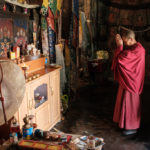
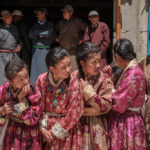
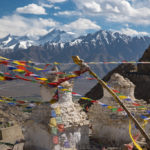
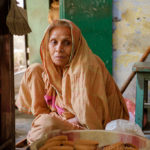
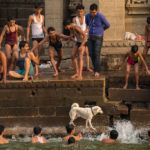
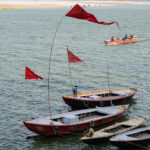
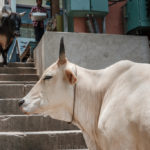
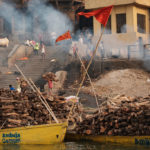
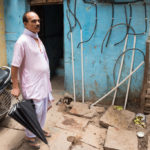
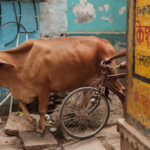
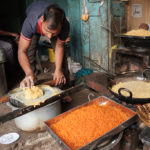
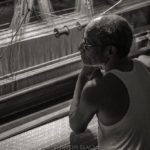
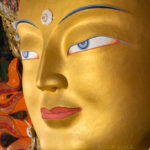
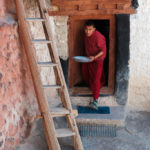
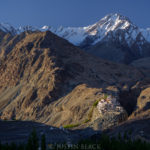
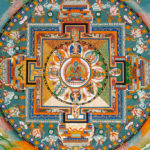
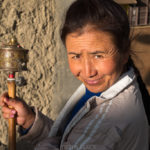
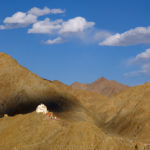
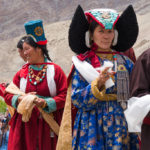
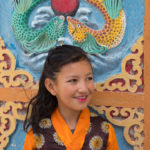
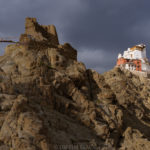
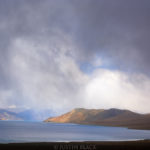
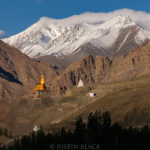
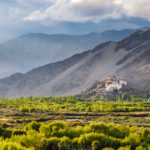
“What an incredible experience! Beautifully orchestrated and managed, and exceptional guides and support staff. Choices of lodging and destinations very commendable. I have to say, the accommodations were all significant experiences in life, and the birthday celebration I was treated to has to rank at the top of the list for birthdays. Thanks! The whole trip was seamless, good job!” –T. Hanagan, Varanasi & Ladakh participant
We invite you on an unforgettable journey through the lens to northern India, where the soul-stirring beauty and vibrant energy of Varanasi and the ethereal landscapes of Ladakh converge to create a captivating symphony of colors, cultures, and spirituality. Join us for a transformative photography expedition that will immerse you in the rich tapestry of these remarkable destinations.
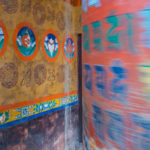
These are two of India’s most visually rich spiritual centers. In Varanasi, a city that breathes ancient wisdom and carries the echoes of countless prayers, you will witness a vibrant tapestry of life and culture unfold before your eyes. Capture the kaleidoscope of emotions as pilgrims bathe in the sacred Ganges River, the mesmerizing swirls of incense in narrow alleyways, the resplendent rituals that honor centuries-old traditions, and the majestic site of The Buddha’s first sermon, over two millennia ago. The city’s historic architecture, adorned with intricate carvings and timeless beauty, will become your muse as you hone your craft in documenting the captivating stories etched within its walls, and lived by its people.
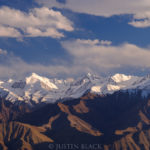
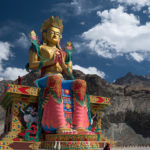
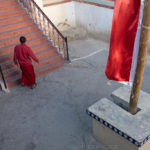
From the spiritual heart of India, we move on to Ladakh, a Himalayan sanctuary that enchants with its breathtaking landscapes and the serene teachings of Tibetan Buddhism. Lose yourself in the vastness of the snow-capped peaks, mirror-like lakes, and verdant valleys that unfold before you like a painter’s masterpiece. Witness the interplay of light and shadow on dramatic monasteries perched atop rocky cliffs, and find solace in the warm smiles of the resilient Ladakhi people, whose lives are intertwined with the harmony of nature.
This trip offers an exceptional combination of street photography and landscape opportunities. Guided by seasoned photographers Justin Black and Jassi Oberai, and immersed in the cultural riches of Varanasi and Ladakh, this workshop will provide you with a once-in-a-lifetime opportunity to capture the essence of two extraordinary worlds. Whether you are seeking inspiration to move your photography to the next level, or looking to expand your portfolio, let your camera be your passport to unlock the stories that await you in these magical lands.
Come, join us on this incredible photographic odyssey, where the past and present merge, and the extraordinary becomes a brushstroke on the canvas of your imagination.
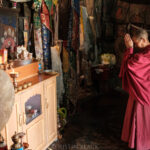

“What an incredible experience! Beautifully orchestrated and managed, and exceptional guides and support staff. Choices of lodging and destinations very commendable. I have to say, the accommodations were all significant experiences in life, and the birthday celebration I was treated to has to rank at the top of the list for birthdays. Thanks! The whole trip was seamless, good job!” –T. Hanagan, 2017 Varanasi & Ladakh participant
We invite you on an unforgettable journey through the lens to northern India, where the soul-stirring beauty and vibrant energy of Varanasi and the ethereal landscapes of Ladakh converge to create a captivating symphony of colors, cultures, and spirituality. Join us for a transformative photography expedition that will immerse you in the rich tapestry of these remarkable destinations.
These are two of India’s most visually rich spiritual centers. In Varanasi, a city that breathes ancient wisdom and carries the echoes of countless prayers, you will witness a vibrant tapestry of life and culture unfold before your eyes. Capture the kaleidoscope of emotions as pilgrims bathe in the sacred Ganges River, the mesmerizing swirls of incense in narrow alleyways, the resplendent rituals that honor centuries-old traditions, and the majestic site of The Buddha’s first sermon, over two millennia ago. The city’s historic architecture, adorned with intricate carvings and timeless beauty, will become your muse as you hone your craft in documenting the captivating stories etched within its walls, and lived by its people.
From the spiritual heart of India, we move on to Ladakh, a Himalayan sanctuary that enchants with its breathtaking landscapes and the serene teachings of Tibetan Buddhism. Lose yourself in the vastness of the snow-capped peaks, mirror-like lakes, and verdant valleys that unfold before you like a painter’s masterpiece. Witness the interplay of light and shadow on dramatic monasteries perched atop rocky cliffs, and find solace in the warm smiles of the resilient Ladakhi people, whose lives are intertwined with the harmony of nature.
This trip offers an exceptional combination of street photography and landscape opportunities. Guided by seasoned photographers Justin Black and Jassi Oberai, and immersed in the cultural riches of Varanasi and Ladakh, this workshop will provide you with a once-in-a-lifetime opportunity to capture the essence of two extraordinary worlds. Whether you are seeking inspiration to move your photography to the next level, or looking to expand your portfolio, let your camera be your passport to unlock the stories that await you in these magical lands.
Come, join us on this incredible photographic odyssey, where the past and present merge, and the extraordinary becomes a brushstroke on the canvas of your imagination.
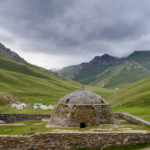
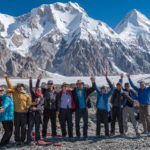
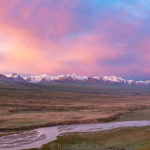
When I tell folks that my wife Lena is from Kyrgyzstan, the response is usually, “She’s from Kurdistan?!?” or alternatively, “What? Where is that?” This little-known Silk Road country is, however, home to some of the most awe-inspiring mountain landscapes on the planet, as well as an immensely hospitable culture. Visionary Wild’s first overland expedition there in July 2017 grew out of a lengthy scouting trip that Lena and I made in 2015. This photographic adventure, from the idyllic alpine lake of Song Kul to the glacier-borne basecamp beneath mighty Khan Tengri – one of the world’s most beautiful peaks rising to 23,000ft. – represents what Lena and I consider the finest of the Kyrgyz mountain landscape. We have fallen in love with the Kyrgyz people and their spectacular homeland, and look forward to sharing this wonderful corner of the planet with you! –Justin Black
For lovers of wild mountain landscapes, the Kyrgyz Republic is among the most underrated travel destinations on Earth. The Tien Shan mountains rise higher and wilder than the Rockies, Sierra Nevada, Alps, or Andes, and peaks below 16,000-feet in elevation are barely considered worthy of a name. Along the Chinese border, the Kakshaal-Too range soars to truly Himalayan heights, on the world’s most northern summits over 7,000 meters: Khan Tengri and Jengish Chokusu (known in the Soviet era as Pik Pobeda). The landscape beneath the peaks is sublime: glacier-carved gorges, slopes covered in alpine wildflowers, raging rivers, spruce and fir forests, and high pastures (“jai-loh”) where semi-nomadic Kyrgyz graze small herds of horses, yaks, sheep, and cattle during the short summer.
The sheer scale and beauty of this landscape is phenomenal, but what is almost unimaginable is the fact that it is barely on the tourist radar. The Kyrgyz Republic is an emerging democracy, and the Kyrgyz people take their freedom seriously. Though it is commonly referred to as the “Switzerland of Central Asia,” this complimentary moniker neglects to recognize the nation’s unique qualities. A former Soviet republic with relatively slow economic growth, Kyrgyzstan has been spared excessive development, so what it lacks in infrastructure is made up for with glorious wild nature. The Kyrgyz people are a Turkic nomad culture that boast the longest history of all currently extant groups in Central Asia. Over the last fifteen centuries, their language and culture have survived the Uyghurs, the Chinese, the Mongols, various Khaganates, the Russians, the Soviet era, and the challenges of building a viable democracy while surrounded by less democratic neighbors.
Our adventure begins in the Kyrgyz capital of Bishkek, where participants will be met at the airport and driven to the thoroughly modern Golden Tulip Hotel, offering excellent accommodations in the city center. There, we will welcome you to our introductory orientation and first dinner as a group. Early the next morning, we load up into our four-wheel drive caravan, comprising three highly capable and comfortable Toyota Sequoias to carry our six guests, Visionary Wild photo leaders Justin Black and Jerry Dodrill, as well as our team’s Kyrgyzstan native and Russian-language interpreter, Lena Black, Visionary Wild Director of Operations. Two additional 4WD support vehicles will carry gear, provisions, and camp staff. From there, we set off on our spectacular route through the Tien Shan mountains.
Our itinerary is designed to take advantage of prime light on the landscape morning and evening each day. After dark, clean air and virtual absence of light pollution provide a superb opportunity for nighttime landscapes including the Milky Way. We will also enjoy excellent opportunities for photography of the Kyrgyz people themselves, in the high pastures, at our yurt camps, and at the sprawling and colorful Osh Market in Bishkek. This will be a highly productive and immensely fun photographic adventure that you’ll never forget.
Click “read more” at below right for the full itinerary, inclusions, exclusions, and more photos…
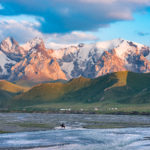
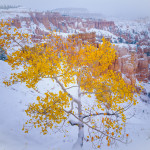
Refine your vision and harness the aesthetic potential of one of the world’s most geological wonders.
Wondering where to travel in winter? Bryce Canyon National Park is one of our favorite places to go to view some of the most unique opportunities during this season of snow dustings and low-angled light. Ponderosa pines, fir-spruce forests, slot canyons, horseshoe-shaped amphitheaters, and pink cliffs cover this area. Utah has a wealth of parks to explore and challenge your photographic senses, and Bryce Canyon National Park in among the most rewarding.
This greatest concentration of hoodoos in the world – an unearthly landscape to be sure – was formed over hundreds of millions of years of deposition and erosion. Bryce’s colorful rock spires are oriented perfectly to catch the reflected morning light, resulting in a glowing fairytale landscape providing endless options for creative photography. Join us to capture its splendor.
This outdoor classroom is a highlight of our Vision series, a special program of advanced instruction focusing on refining your personal creative vision, composition, digital workflow and image processing, designed and presented by renowned photographers Jack Dykinga, John Shaw, and Justin Black. All three instructors have photographed Bryce extensively and know its secrets well. We will photograph at a variety of locations in the park during our morning and evening field sessions, with emphasis on the hoodoos and sculpted designs in the canyons.
Packaged with single-occupancy lodging at the Bryce Canyon Grand Hotel (a Best Western Plus property), located ideally near the park entrance, and with all meals, snacks and beverages included, this is a superb workshop scenario. We hope you’ll join us!
About Vision Workshops
The creation of a truly great finished photograph is part of a process from initial concept and vision through execution in the field to digital workflow and creation of a high-quality, final master file ready for printing or publication. Vision workshops with John Shaw and Jack Dykinga address the two greatest challenges faced by photographers as they advance. The first of these is the tendency for original creative vision to reach a plateau in development, and the second is a digital workflow in need of streamlining and refinement to make the most of your images.
Click “Read More…” below right to read on…
On Creative Vision:
When we experience images that really move us, we are aware that they have impacted us, though we may not know what it was in the image that made it so powerful. In other words, we know when it works, but can be difficult to quantify. I try to teach the time-honored components of fine photography to build successful compositions…even in ordinary situations. People ask me, “What’s the difference between a pro and an amateur?” My response is, (a) the amateur has better equipment and (b) the professional photographer must create a publishable image every single time. To be successful, the professional must be the practitioner of a disciplined approach to situations that will result in compelling images that inform and move people. This workshop is designed to unleash that creativity in my students. – Jack Dykinga
Jack will focus on advanced seeing and ways to unlock creativity in situations that require conceptual and compositional ingenuity on the part of the photographer. In other words, he’ll answer the questions, “How do I make a great photograph when the subject matter and composition don’t suggest themselves to me, and how do I avoid photographic clichés when the situation offers up a beautiful composition that is almost too obvious?”
On Workflow:
As photographers have switched to digital, one fact has become apparent: we are drowning in files. We’re shooting more images than ever, and digital file sizes are increasing with each new generation of cameras. Without a smart, logical workflow – and a familiarity with programs such as Lightroom and Photoshop – we will quickly be overwhelmed with data. – John Shaw
John will focus on teaching a logical, effective workflow that ensures the highest quality for your work, as well an image archive that is stable, consistent, and retrievable over the long term, and that ultimately liberates rather than burdens. He will cover step by step the process from shooting RAW files in the field to optimizing the final image in Photoshop.
Workflow topics to be covered include:
The workshop includes eight field sessions, classroom lectures and ample hands-on instruction, critiques, single-occupancy lodging in deluxe rooms (prorated fee available for double-occupancy or for those who do not require lodging), and all meals and drinks. Justin Black will be present to serve as an instructor and to ensure everything runs smoothly. As always, all three instructors will be present to teach and assist students throughout the workshop.
Field sessions begin the evening of the first day. Each morning and evening, we’ll be out to photograph first light before breakfast, and out for evening light before dinner. During mid-day hours in our classroom at the hotel, Jack and John will make presentations on advanced seeing, composition and creativity, digital workflow, and maximizing image potential. Critique sessions will be held each of the last three days before returning to the field for photography in afternoon and evening light. Friday morning will be the final field session, followed by critique until we adjourn at 3:00 pm.
The class size is limited to a small group of ten to ensure that everyone gets the time and attention they need, both in the field and the classroom.
Basecamp is the Best Western Plus Bryce Canyon Grand Hotel. Group meals provide an informal setting to socialize and address specific interests that may not be covered during lectures and classroom discussion.
We supply materials in advance of the session to get newcomers up to speed with basics having to do with digital camera set-up and techniques, essential equipment recommendations, and other guidelines to ensure that everyone is ready to make the most of the experience.
Lodging, all meals, and beverages are included in the package.
Please click the “Register” button at the top of the page or contact us directly to reserve your space. A deposit of 50% is required at time of booking, with balance payable 60 days prior to workshop start date.
The workshop begins at 1pm on Monday, January 8th, and ends by 3pm on Friday, January 12th, 2018.
Note: Visionary Wild, LLC operates this workshop under a permit issued by the National Park Service at Bryce Canyon National Park.

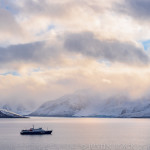
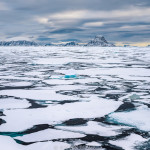
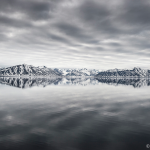
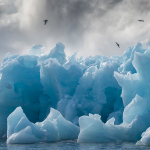
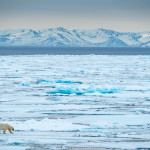
Note: Traveling alone? Feel free to book at the lower double-occupancy rates, so long as you are content to be paired with another guest of the same sex.
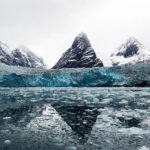
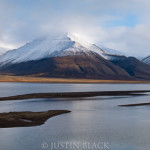
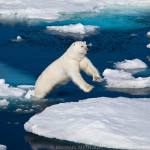
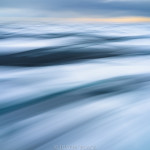
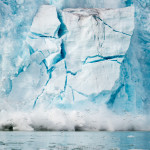
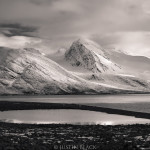
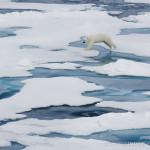
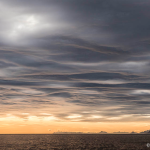
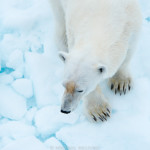
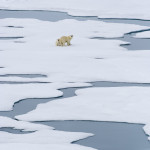
Designed for photographers by photographers, this expedition to the Svalbard archipelago will take you to the places we love, to make the most of the great spectacle of Arctic light, ice, landscape, and wildlife. Led by a dream team – Michael Melford, Daisy Gilardini, and Justin Black – generous expert photographic instruction will feature prominently throughout the voyage. Here are some highlights:
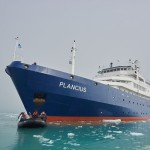
Our expedition vessel, M/V Plancius, optimizes the photographic potential and overall quality of experience on this trip. She is a very comfortable and capable 296-foot ice-rated expedition ship with accommodation in comfortable en suite cabins and staterooms. We have chosen to do this voyage on this ship because she offers the capabilities, amenities, comfort, dining, and photographic support that will enable us to deliver a thoroughly enjoyable and creatively productive experience, both aboard and on shore. If you wish to travel with a world-class team of photographic instructors to the best locations, and you appreciate the advantages of an adventure designed specifically to optimize both the photography and overall experience, this is an exceptional opportunity.
Our expedition begins in Oslo, Norway, with an introductory reception dinner at one of the capital’s finest restaurants. After a restful night at The Thief – a modern Scandinavian boutique hotel that is one of Oslo’s very best – we fly as a group to the small harbor of Longyearbyen on the island of Spitsbergen, where our ship awaits us. We set sail that afternoon through the sheltered waters of Adventfjord on our way to the west coast where we will work our way northward with views of the stunning mountain landscape.
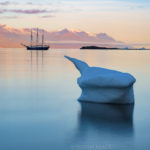
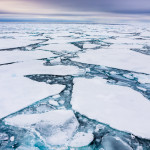
The wild landscape of Svalbard and the pack ice are characterized by a mesmerizing serenity… I felt like I was floating through a dream. –Justin Black
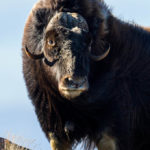
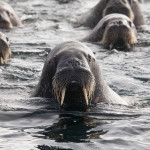
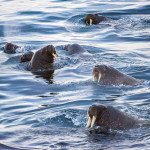
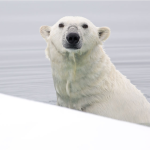
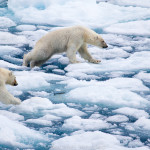
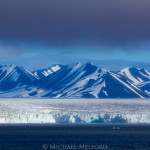
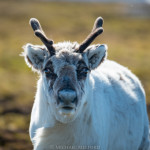
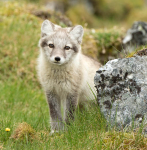
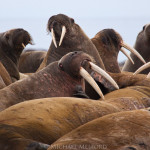
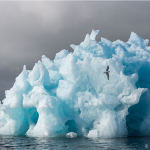
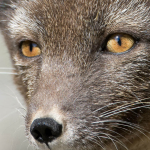
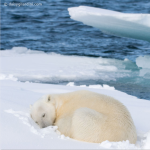
The High Arctic is one of Earth’s most serene, sublime, and evocative places, and in our opinion the mountainous, glacier-covered islands of the Svalbard archipelago are the crown jewels, in part because a visitor here experiences the best features of the Arctic in microcosm. We have deliberately timed this expedition for Arctic autumn – late August and early September – to take advantage of special seasonal phenomena. The quality of light at this time of year is beautiful. The sun sets for several hours at this time of year, but gorgeous post-sunset light lingers all night long. Also, by this time the mountains typically have had their first fresh snow for the season, making the landscape look its best. Polar bears are to be found on both the islands and the pack ice, and Arctic fox patrol the shorelines. Blue whales – the largest animal that has ever lived on Earth – ply the coastal waters. Large walrus colonies can be photographed both ashore and at sea, and seals – bearded, ringed, harp, and harbor – are commonly sighted. Migratory birds linger on for a while, including Ivory Gulls, Kittywakes, Fulmars, Eider ducks, and more, while native Rock Ptarmigans transition to their winter plumage. Temperatures are still relatively comfortable by Arctic standards, but the summer’s mosquitoes will have been killed off by the frost. Weather and seas tend to be calm, and free of fog that can limit visibility in summer.
We have conceived this Svalbard expedition with considerable advantages for the passionate photographer. The first-rate photo leader team comprises three outstanding professionals, all known as generous and engaging teachers, who have a superb collaborative chemistry. Their photographic specialties cover a cross-section of the opportunities we will be presented with during the expedition: wildlife, landscape, natural abstract, travel, fine art, and conservation.
M/V Plancius: Our ice-rated expedition vessel provides an excellent platform for this voyage, in part due to her strength, maneuverability, and ability to navigate the ice pack and waters that can be impassable to larger ships. Those who appreciate small-group travel will enjoy our group’s participant limit of nineteen guests, with our own private Zodiacs for landings and cruises to approach wildlife and explore the ice. The ship typically carries a complement of around 108 passengers, supported by a fleet of ten zodiacs, a highly experienced expedition staff of eight, and a top-notch crew who welcome guests on the ship’s spacious bridge. With our relatively small group, everyone will have excellent access to our photo leaders and expedition staff, landing operations will be efficient, and we’ll be able to get to know one another well. Plancius offers an impressive range of vantage points for photography, from close to waterline to up high, and her three diesel-electric engines are surprisingly quiet and produce little vibration.
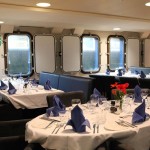
Dining aboard Plancius is of a high standard, with menus prepared by an accomplished German chef, sous chefs, and baker, with ample fresh ingredients and healthy options available. We are assembling an excellent wine list for the trip as well! She’s just a great ship.

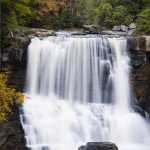
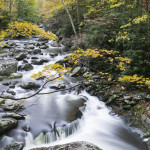
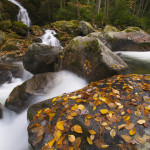
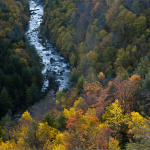
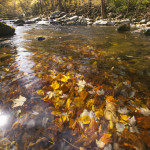
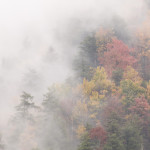
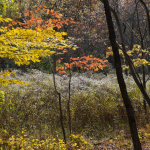
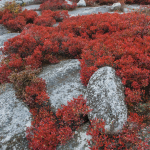
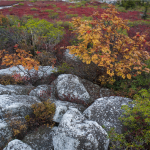
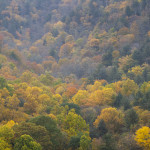
The Potomac Highlands region of West Virginia’s Allegheny Mountains is one of the most scenic areas of the central Appalachians, at its best when brilliant autumn colors adorn the landscape. We invite you to join us for this exciting photo workshop, timed to operate during the peak of fall foliage among mountains densely covered in yellow birch, red maple, black cherry trees, spruce, and eastern hemlock trees. Color is everywhere at this time of year, framing the five-story waterfall and blowing in the mountain breezes.
In addition to visiting the iconic Blackwater Falls itself, we will take advantage of the best seasonal conditions in the surrounding mountain and valley landscapes, including excursions to Dolly Sods Wilderness and Canaan Valley, the highest large valley east of the Mississippi.
National Geographic photographer Michael Melford and renowned landscape photographer Justin Black will lead this workshop. Both have photographed extensively in the area, and are very familiar with an array of potential locations. Working one-on-one with participants, Michael and Justin aim to improve your photographic vision and composition skills, understanding of how to use changing qualities of light and weather to your advantage, and ability to effectively control exposure. They will also focus on creative exposure techniques to create mood, essential gear and creative tools, fundamentals of digital workflow, digital exposure blending and panoramic stitching, and lots of photography in the field followed by constructive group critiques.
Click the “read more…” tab below right for more information and to see the photo gallery!
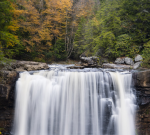

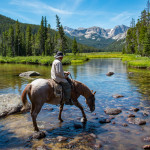
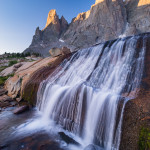
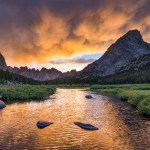
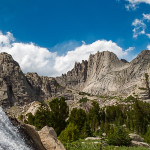
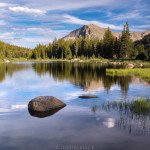
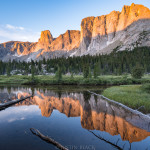
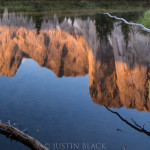
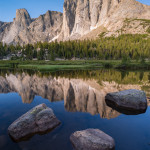
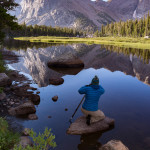
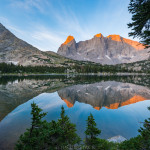
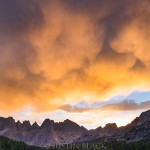
Renowned landscape photographer Charles Cramer and Visionary Wild’s Justin Black have teamed up to lead a small group to the dramatic granite spires, alpine lakes, and meadows in Wyoming’s Wind River Range. “The Winds” are the most alpine range in the northern Rockies, with soaring granite peaks reminiscent in many ways of the High Sierra Nevada but less well known and more lightly visited. The alpine wildflowers in the meadows and nearby lakes and streams offer excellent foregrounds for photographing the east-facing Cirque of the Towers and other nearby peaks, which catch spectacular alpenglow at sunrise.
This is one of North America’s great mountain wildernesses, but don’t take our word for it. Following a summer 1999 horse pack trip into the Winds, internationally acclaimed mountain photographer Galen Rowell wrote the following in his April 2000 column for Outdoor Photographer magazine:
“The Wind River Range is my favorite in the Rockies. Warm, relatively dry summers create a paradise for backpackers, climbers, and photographers. Hundreds of peaks rise over 12,000 feet above glaciers and snows that last late into summer. Melt waters cascade into alpine basins filled with meadows, open pine forest, and countless lakes before joining into rivers separated by the Continental Divide.”
Charles Cramer and Justin Black will lead photography outings morning and evening, and whenever else the light and weather conditions offer compelling opportunities. Night photography of the high-elevation starry skies can be amazing too. Options for midday activities will include scouting hikes, talking photography, relaxing around camp, reading, napping, fishing, lake swimming, etc. Beyond the phenomenal landscape and wildlife photography opportunities, these pack trips provide an excellent shared experience with other passionate photographers, enjoying fireside stories and camping under the stars.
Click “read more” below right for more information and the image gallery…

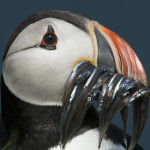
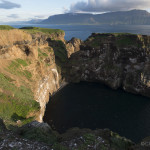
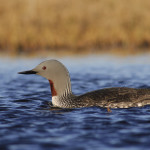
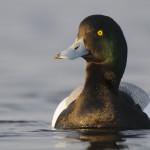
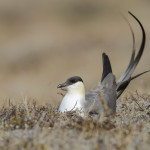
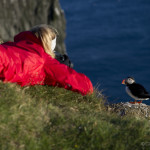
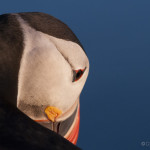
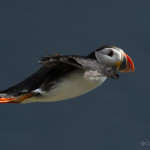
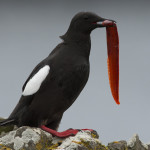
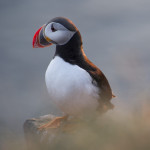
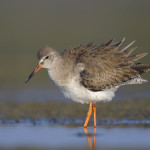
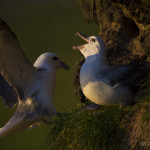
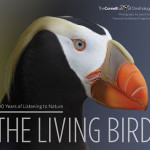
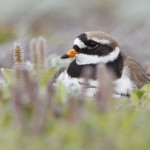
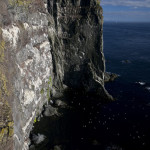
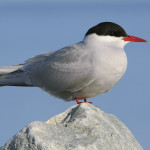
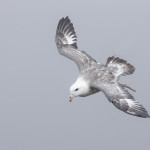
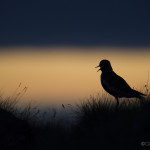
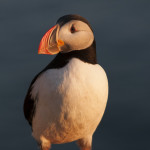
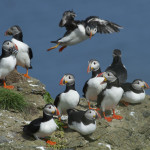
Join arctic explorer Chris Linder and Cornell Lab of Ornithology photographer Gerrit Vyn for this unique photographic experience during prime puffin chick-rearing season on a diligently customized route around northwest Iceland.
Iceland’s steep, rocky coastline explodes with life in the summer months. Atlantic puffins, black guillemots, northern fulmars, and kittiwakes all raise their chicks here before returning to a life at sea. Our primary subject will be the colorful, charismatic Atlantic puffin, and we will be visiting some of the best locations for puffin photography in the world. In addition to Iceland’s cliff-dwelling seabirds, we will also spend time looking for tundra breeding birds including red-throated loons, tufted duck, black-tailed godwit, whimbrel, European golden plover, red-necked phalarope, and redshank.
Renowned bird photographers Chris Linder and Gerrit Vyn will lead this nine-night photo workshop for ten participants, which will be focused on the remote Westfjords region of Iceland. Chris is a repeat visitor to Iceland, making his familiarity with the best photography locations, timing for optimal light, and personal contacts there a great benefit for the expedition. He is the 2015 Nature’s Best Photography Windland Smith Rice International Awards winner for the birds category and recently completed an assignment on climate change impacts on Icelandic puffin populations. Gerrit’s 2016 photography book, The Living Bird, was a New York Times Bestseller and he continues to travel around the world to document wildlife and conservation stories. He is well-experienced in creating powerful photography, particularly showcasing birds as they can show affects from climate change and environmental challenges.
The itinerary has been carefully crafted based on numerous assignments to photograph Iceland’s puffins with Icelandic bird researchers, and includes some unique locations you won’t find on any other Icelandic photography tour. The expedition was developed with the focus of puffin chick-rearing in mind; mid-July is the best time to capture images of puffins bringing bill-fulls of spaghetti-like sand eels back to their burrows.
Our small group will travel in comfort in a specially customized bus with room for everyone to have a window seat, complete with Wi-Fi and numerous power outlets to enable us to edit our images while we’re on the road. When traveling to the next location, we will take advantage of photogenic opportunities of the Icelandic landscape. Chris and Gerrit scheduled exceptional locations for more instruction inland, such as tiered waterfalls, and will look out for serendipitous moments as the bus rolls onward.
Click the “read more” tab below to continue… read more…

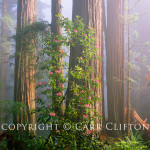
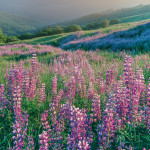
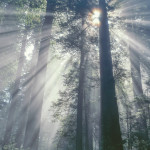
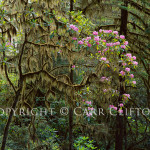
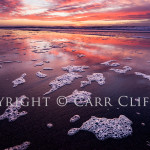
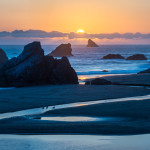
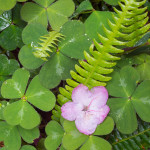
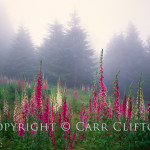
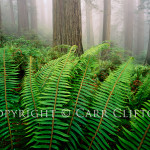
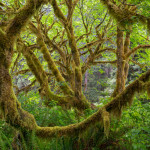
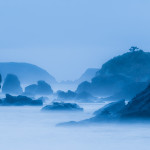
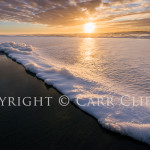
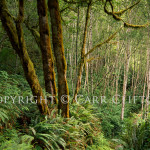
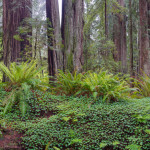
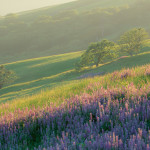
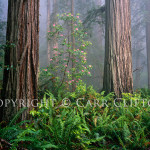
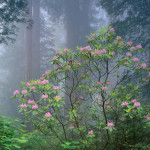
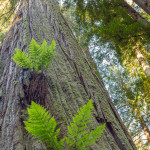
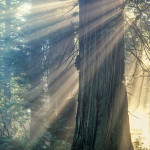
Colossal redwoods thrust upward into the coastal fog. The pink blooms of wild rhododendrons take on a translucent glow against the dark greens of the forest. Dramatic seastacks and driftwood accent the wild Pacific coast. One of the world’s most creativity-inspiring and evocative landscapes – Northern California’s Redwood Coast – will be our outdoor classroom for this photo workshop, presented by photographers Jack Dykinga and Carr Clifton. This place is truly a photographer’s playground, rich with diverse photographic opportunities and a dynamic interplay of sun and fog. It’s the perfect setting for a fun, upbeat, and supportive workshop focused on developing creativity and honing skills. Participants will learn to take control of the finer points of composition, exposure and tonal control, and specialized techniques for approaching this sublime coastal landscape.
Click the “read more…” tab below right for more information and to see the photo gallery!

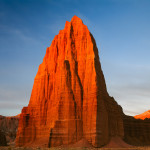
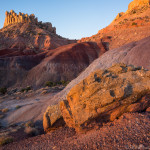
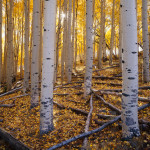
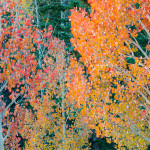
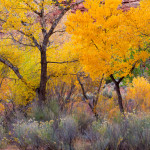
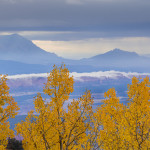
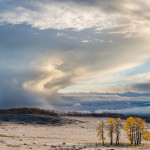
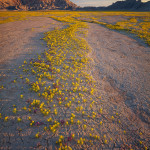
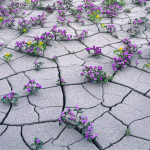
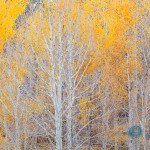
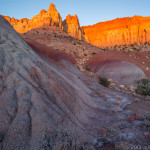
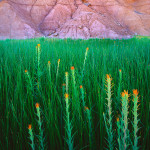
The southwest United States holds some of the world’s most inspiring landscape photography destinations, and the area including Capitol Reef National Park is one of our favorites. In addition to numerous steep ridges, colorful canyons, and sandstone formations, Capitol Reef National Park boosts the largest exposed monocline in North America and layers of sedimentary rock recording nearly 200 million years of geological change. This outdoor classroom is a highlight of our Vision series, a special program of advanced instruction focusing on refining your personal creative vision, composition, and digital workflow, designed and presented by renowned photographers Jack Dykinga, John Shaw, and Cliff Zenor. Packaged with single-occupancy lodging at The Broken Spur Inn in Torrey, the closest town to the Park, this is a superb workshop scenario set to challenge and amaze all participants. We hope you’ll join us!
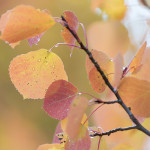
Photography sessions will take place in locations with very unique geology, including the Waterpocket Fold, Cathedral Valley, Temples of the Sun and Moon, and other opportunities scouted in advance by the instructors. The timing of this workshop was specifically chosen to coincide with the burst of peak fall foliage found among the cottonwoods and willows in the canyons, and aspens in the high country. The leaves of these trees turn into a brilliant hues of yellow, orange, and red during the fall. When set against a background of reddish-orange Entrada Sandstone or grayish desert storm clouds, capturing photos of these glowing leaves will be a very rewarding and exhilarating experience for the landscape photographer.
Packaged with single-occupancy lodging at The Broken Spur Inn, located ideally near the entrance to Capitol Reef National Park, and with all meals, snacks and beverages included, this is a superb fall foliage and landscape photography workshop scenario. We hope you’ll join us!
Click “Read More…” below right to read on and see the image gallery…

The southwest United States holds some of the world’s most inspiring landscape photography destinations, and the area including Capitol Reef National Park is one of our favorites. In addition to numerous steep ridges, colorful canyons, and sandstone formations, Capitol Reef National Park boosts the largest exposed monocline in North America and layers of sedimentary rock recording nearly 200 million years of geological change. This outdoor classroom is a highlight of our Vision series, a special program of advanced instruction focusing on refining your personal creative vision, composition, and digital workflow, designed and presented by renowned photographers Jack Dykinga, John Shaw, and Cliff Zenor. Packaged with single-occupancy lodging at The Broken Spur Inn in Torrey, the closest town to the Park, this is a superb workshop scenario set to challenge and amaze all participants. We hope you’ll join us!
Photography sessions will take place in locations with very unique geology, including the Waterpocket Fold, Cathedral Valley, Temples of the Sun and Moon, and other opportunities scouted in advance by the instructors. The timing of this workshop was specifically chosen to coincide with the burst of peak fall foliage found among the cottonwoods and willows in the canyons, and aspens in the high country. The leaves of these trees turn into a brilliant hues of yellow, orange, and red during the fall. When set against a background of reddish-orange Entrada Sandstone or grayish desert storm clouds, capturing photos of these glowing leaves will be a very rewarding and exhilarating experience for the landscape photographer.
Packaged with single-occupancy lodging at The Broken Spur Inn, located ideally near the entrance to Capitol Reef National Park, and with all meals, snacks and beverages included, this is a superb fall foliage and landscape photography workshop scenario. We hope you’ll join us!
Click “Read More…” below right to read on and see the image gallery…
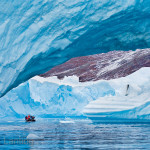
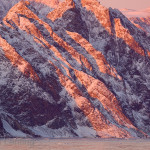
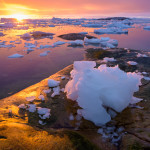
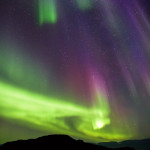
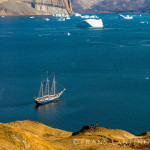
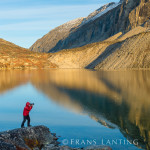
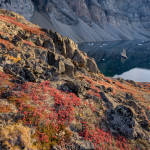
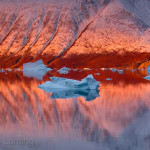
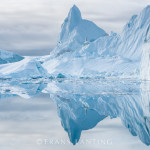
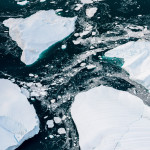
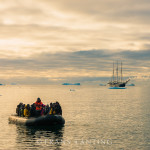
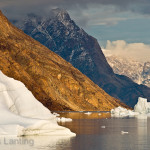
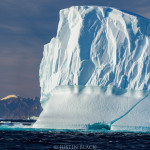
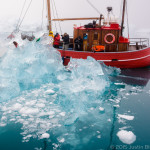
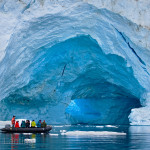
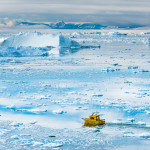
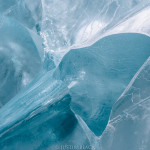
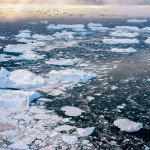
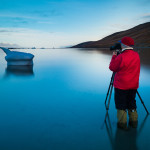
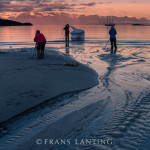
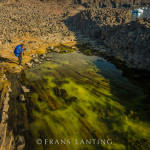
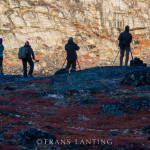
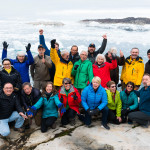
Thank you for another fantastic VW expedition! What a privilege to experience and photograph this wild and remote area in comfort while accompanied by the best leaders offering a wealth of experience and a willingness to share their immense talents. Thanks to Justin’s meticulous advance planning, all the arrangements were perfect throughout. –David & Kathy R., 2015 Greenland participants
Greenland’s remote and little-visited ice fjords hold a wealth of arctic grandeur. Towers, arches, and walls of ancient blue ice thrust skyward from the water’s surface. Steep-walled fjords, dramatic coastal mountains, tundra in autumn color, the vast Greenland Ice Sheet, and the Aurora Borealis combine to form an incomparable landscape. Join this world-class team of leaders – Frans Lanting, Christine Eckstrom, and Justin Black – for this exclusive expedition to Greenland’s east and west coasts, photographing this arctic wilderness in all its glory. With generous photographic instruction and attentive support along the way, explore the largest fjord system in the world – Scoresbysund on the east coast – aboard the three-masted expedition vessel Rembrandt van Rijn, followed by a four-night stay on Greenland’s west coast at Ilulissat, where the massive Jakobshavn Glacier calves some 35 billion tons of icebergs into the sheltered waters of Ilulissat Icefjord, the only UNESCO World Heritage Site on the world’s largest island. Excursions by helicopter for doors-off aerials, and by boat to get in among the massive bergs, yield extraordinary photographic opportunities.
Greenland was a trip of a lifetime. Imagine fog-shrouded icebergs, vibrant red/orange/yellow tundra, unreal sunsets, glistening ice and snow, colorful villages clinging to rocky headlands, Northern Lights and so much more under the generous guidance of world class instructors. I learned so much while having lots of fun. Thank you! –Ann L., 2015 Greenland participant
Our adventure begins in Reykjavik, Iceland, the world’s northernmost capital. Guests will be greeted upon arrival at Keflavik International Airport and transferred to the elegant Hotel Holt, conveniently located in the city center. After an introductory group meeting and dinner at Grillmarket, one of Reykjavik’s finer restaurants, the next morning we board our private charter flight to Greenland’s east coast. Awaiting our arrival will be our private floating base camp for the first eight days in Greenland: the 168-foot, three-masted schooner Rembrandt van Rijn (click here for more about RVR). We are booking the entire ship for our exclusive use to ensure ample space for our group both on the ship and in zodiacs – our group will consist of sixteen to eighteen participants and three leaders (though Rembrandt normally sleeps up to 33 guests) in addition to her twelve-person crew and expedition staff. She is exceptionally well-suited to exploration and photography along the Greenland coast, with a reinforced hull, expansive unobstructed sight lines even under sail, and very comfortable accommodations. We will make frequent landings by zodiac to photograph in morning and evening light, and as serendipity presents us with compelling opportunities along the way. In addition to the arctic landscape, we will photograph whales if we encounter them, as well a variety of coastal and pelagic birds such as fulmars, kittiwakes, and gannets. The ethereal glow of the Aurora Borealis dancing in the night sky over the iceberg-dotted fjords and bays will be the sight of a lifetime. While underway, in the ship’s common area Frans, Justin, and the ship’s expedition staff will make inspiring and instructive presentations, and offer constructive feedback on participants’ photographs during group critique sessions, with the aid of the ship’s four large LCD screens.
To make this special itinerary possible, we have arranged three private charter flights aboard modern twin-engine turboprop airliners (Dash-8 and Bombardier Q200). After disembarking Rembrandt, a private charter flight whisks us across the world’s second largest icecap to the west coast and the small fishing port of Ilulissat, home to 5,000 Greenlanders and an equivalent number of sled dogs. There, our base will be Hotel Hvide Falk (White Falcon). One of the highlights there will be a series of helicopter excursions (one hour of flight time per participant, each with a window seat) to do aerial photography of icebergs, Jakobshavn Glacier and Ilulissat Icefjord, and to access the Greenland Ice Sheet itself. We will also make excursions on a local charter boats to approach towering icebergs, and hikes on the autumn tundra with stunning views of Disko Bay and the coastal mountains.
Click “read more” at below right for the detailed itinerary…

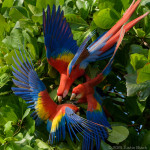



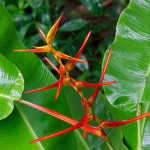
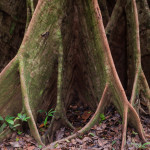
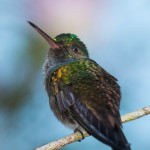

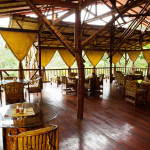
Exotic Birds – Poison Dart Frogs – Monkeys – Waterfalls – Wild Pacific Beach
All of this and more is to be found in one of the most biologically exciting places on Earth – Coast Rica’s remote Osa Peninsula – and we’d like to share the best of it with you. Envision original primary rainforest rising up a low ridge from a pristine and entirely undeveloped Pacific beach, stretching as far as the eye can see. Native toucans, scarlet macaws, two- and three-toed sloths, and four species of New World monkeys cruise through the trees, while dramatic waterfalls roar in the jungle. Numerous species of visually striking frogs inhabit the area, including three species of colorful poison dart frogs, red-eyed tree frogs, masked tree frogs, and massive cane toads in their native habitat. Hundreds of exotic bird species abound. In addition to the toucans and macaws, long-tail hermit hummingbirds, elegant and violaceous trogons, blue-capped manakins, crested caracaras, ibis, various raptors and myriad other species are readily photographed. The forest itself is stunning, with old-growth trees and vegetation full of character and beautiful graphic designs just waiting to be discovered.
Leaders John Shaw and Justin Black will share their creative approaches to photographing rainforest fauna and flora, as well as the dramatic landscape. Hands-on in the field, we will cover long-lens and macro wildlife techniques, control of composition and light, fill-flash, control of focal plane and perspective with tilt-shift lenses, panoramic stitching, and other techniques that can be used to great effect in this amazing place.
Read Justin Black’s article “Frogs of the Osa” in Outdoor Photographer magazine
Our base camp is El Remanso, a top-rated eco-lodge, which offers a uniquely rich and accessible environment to witness and explore the incredible flora and fauna of Central America’s rainforests. The owners are our personal friends, and the staff make guests feel like family. It’s a peaceful resort where it’s easy to let go of the hassles of travel logistics and fully immerse yourself in exploring and photographing the birds, waterfalls, monkeys and frogs, gorgeous old-growth trees, and the stunning Pacific beach.
The staff at El Remanso take great care of us – providing a delicious mix of international and local Tico cuisine, fresh tropical fruits, not to mention the superb margaritas, caipirinhas, and piña coladas – all on an inviting and spacious covered dining deck perched at the top of a canyon, at eye-level with the forest canopy. We’ll bring our long lenses to breakfast to photograph monkeys, macaws and toucans feeding in the trees. The opportunities to explore don’t end with the setting sun. A stroll with our naturalist guides around El Remanso just after dark reveals all manner of nocturnal species.
Click “read more” at below right for the full itinerary

“The NZ trip was really spectacular… and you’re to be congratulated for ensuring that it was such a great experience for us from beginning to end.” –Kathy R., 2014 participant
“The expedition greatly exceeded my expectations. It was no doubt an amazing and awesome experience of a lifetime!” – Susan S., 2015 participant
Towering mountain ranges, hanging alpine glaciers, wind-swept coastlines, crystal blue lakes, pristine turquoise river valleys, and primordial tree fern rainforests are just some of the scenes we will photograph as we explore the South Island on this intimate 16-day journey led by two top pros: National Geographic photographer Michael Melford (who recently covered the South Island on assignment for Nat Geo), and Phillip Bartlett, a renowned Kiwi landscape photographer and guide who is acclaimed for his professionalism and intimate knowledge of New Zealand’s stunning landscape. It was with good reason that motion picture director Peter Jackson chose New Zealand as his location for the fantasy world of Tolkien’s “Middle Earth”: the variety of incredible landscapes found in such a compact area is simply astounding.
We sought to design a trip that would take your breath away, visiting locations off the regular tourist path that offer superb photography. To access these areas we will be travelling by 4WD Toyota Landcruisers, with two guests per vehicle. In addition, private charter excursions by helicopter and boat – at Fox Glacier, Milford Sound, and Kaikoura – provide us access to some truly phenomenal opportunities. All the while, your trip leaders offer generous guidance and instruction to ensure that you make the most of the photographic possibilities.
Our 2014 and 2015 trips were exceedingly well received by our guests (see testimonials at the bottom of this page), but nevertheless we have adjusted the itinerary slightly to maximize the quality of the overall experience.
Click “read more” below right to see the itinerary and photo gallery…
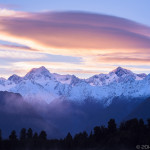

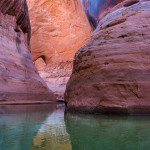
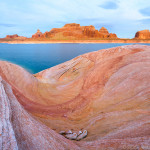
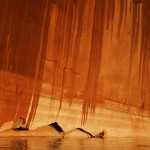
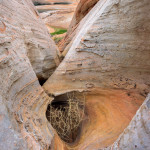
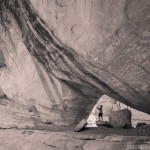
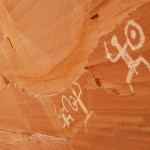
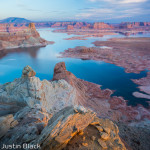
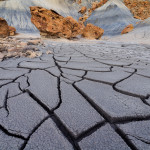
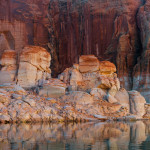
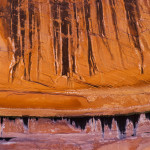
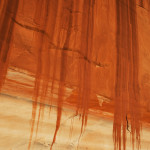
Testimonials from our 2015 Lake Powell participants
“I just wanted to take a minute to thank you (and the rest of the crew) for the wonderful Lake Powell workshop. Both Lynne and I had a great time and the uniqueness of the location was perfect for a variety of different photographic challenges.” –Steve A.
“Thanks again for another great trip… Quite the adventure!” –Dan W.
“Just back from a houseboat-based photo workshop on Lake Powell with Visionary Wild. It was a great trip with lots of old friends, and few new ones.” –Julie F [Posted to Facebook]
“Thanks again for great time at Lake Powell! I had a ton of fun.” –Walter R.
The sinuous channels, sculpted slick rock, red rock formations, abstract glowing reflections, and sublime canyon light of Lake Powell and Glen Canyon await you on this eight-day, seven-night photographic exploration with Jack Dykinga and Jeff Foott. A professionally crewed deluxe 75-foot houseboat will be our base camp, and 19-foot Boston Whaler motorboats will provide access to the quiet corners of the sprawling lake, including sections of Glen Canyon that haven’t been seen since it was flooded. We’ll also have a few kayaks along for accessing slot canyons so narrow that one can touch both sides with arms outstretched.
The trip will begin at Comfort Inn and Suites in Page, Arizona, with an afternoon meeting and orientation before kicking things off with a group dinner. The next morning, we’ll drive across Glen Canyon Dam to Wahweap Marina to board our boat and cruise out to onto the lake. From pre-dawn to post-sunset each day, we will make the most of the light, including mid-day use of bounced canyon light. Instructors Jack Dykinga and Jeff Foott will guide excursions by motorboat to explore and photograph while the houseboat crew cruises from one anchorage to the next. We will make short hikes into side canyons and across the slickrock landscape to access mind-bending locations. Each evening, we will spend the night at anchor in a secluded cove beneath the amazing starscape of the clear southwestern sky.
Accommodations on the houseboat include five staterooms with queen beds (suitable for single or double occupancy), plus two large pull-out beds (convertible dinette areas, best suited to single occupants), as well as the option for two guests to sleep out under the stars on the sun deck (the crew and leaders will also share this space). The boat also features two full bathrooms with hot showers, washbasins, and toilets, spacious common areas, a hot tub, fireplace, and more. Hearty meals will be prepared by our friendly, Coast Guard-licensed captain and guide, Myron Cook.
Pricing and Accommodation Options:
Master Suite – One Queen Bed, extra room, and private entrance onto stern deck (Quantity: 1 only)
$6995 Double Occupancy (per person) – or – $7995 Single Occupancy
Standard Cabin – One Queen Bed (Quantity: 4)
$5995 Double Occupancy (per person) – or – $6995 Single Occupancy
Convertible Dinette Bed – One full (Quantity: 2)
$5995 Single Occupancy
Sun Deck Mattress – Outside, under the Stars (Quantity: 2)
$5500 Single Occupancy
Maximum group size is limited to nine guests.
This workshop will be operated under a Commercial Use Authorization issued by the National Park Service.

Exotic Birds – Poison Dart Frogs – Monkeys – Waterfalls – Wild Pacific Beach
All of this and more is to be found in one of the most biologically exciting places on Earth – Coast Rica’s remote Osa Peninsula – and we’d like to share the best of it with you. Envision original primary rainforest rising up a low ridge from a pristine and entirely undeveloped Pacific beach, stretching as far as the eye can see. Native toucans, scarlet macaws, and four species of New World monkeys cruise through the trees, while dramatic waterfalls roar in the jungle. Numerous species of visually striking frogs inhabit the area, including three species of colorful poison dart frogs, red-eyed tree frogs, masked tree frogs, and massive cane toads in their native habitat. Hundreds of exotic bird species abound. In addition to the toucans and macaws, long-tail hermit hummingbirds, elegant and violaceous trogons, blue-capped manakins, crested caracaras, ibis, various raptors and myriad other species are readily photographed. The forest itself is stunning, with old-growth trees and vegetation full of character and beautiful graphic compositions just waiting to be discovered.
Leaders Tom Mangelsen and Justin Black will share their creative approaches to photographing rainforest fauna and flora, as well as the dramatic landscape. Hands-on in the field, we will cover long-lens and macro wildlife techniques, control of composition and light, fill-flash, control of focal plane and perspective with tilt-shift lenses, panoramic stitching, and other techniques that can be used to great effect in this amazing place.
Read Justin Black’s article “Frogs of the Osa” in Outdoor Photographer magazine
Our base camp is El Remanso, a top-rated eco-lodge, which offers a uniquely rich and accessible environment to witness and explore the incredible flora and fauna of Central America’s rainforests. The owners are our personal friends, and the staff make guests feel like family. It’s a peaceful resort where it’s easy to let go of the hassles of travel logistics and fully immerse yourself in exploring and photographing the birds, waterfalls, monkeys and frogs, gorgeous old-growth trees, and the stunning Pacific beach.
The staff at El Remanso take great care of us – providing a delicious mix of international and local Tico cuisine, fresh tropical fruits, not to mention the superb margaritas, caipirinhas, and piña coladas – all on an inviting and spacious covered dining deck perched at the top of a canyon, at eye-level with the forest canopy. We’ll bring our long lenses to breakfast to photograph monkeys, macaws and toucans feeding in the trees. The opportunities to explore don’t end with the setting sun. A stroll with our naturalist guides around El Remanso just after dark reveals all manner of nocturnal species.
Click “read more” at below right for the full itinerary

“The NZ trip was really spectacular…and you’re to be congratulated for ensuring that it was such a great experience for us from beginning to end.” –Kathy R., 2014 participant
Towering mountain ranges, hanging alpine glaciers, wind-swept coastlines, crystal blue lakes, pristine turquoise river valleys, and primordial tree fern rainforests are just some of the scenes we will photograph as we explore the South Island on this intimate 15-day journey led by three top pros: National Geographic photographer Michael Melford (who recently covered the South Island on assignment for Nat Geo), Justin Black of Visionary Wild, and Phillip Bartlett, a renowned Kiwi landscape photographer and guide. It was with good reason that motion picture director Peter Jackson chose New Zealand as his location for the fantasy world of Tolkien’s “Middle Earth”: the variety of incredible landscapes found in such a compact area is simply astounding.
We sought to design a trip that would take your breath away, visiting locations off the regular tourist path that offer superb photography. To access these areas we will be travelling by 4WD Toyota Landcruisers, with two to three passengers per vehicle. In addition, private charter excursions by helicopter and boat – at Fox Glacier, Milford Sound, Lake Wanaka, and Kaikoura – provide us access to some truly phenomenal opportunities. All the while, your trip leaders offer generous guidance and instruction to ensure that you make the most of the photographic possibilities.
Our 2014 trip was exceedingly well received by our guests (see testimonials at the bottom of this page), but nevertheless we have made significant improvements to this trip in 2015, upgrading accommodations, adding a second helicopter excursion, and refining the itinerary to maximize the quality of the overall experience.
Click “read more” below right to see the itinerary and photo gallery…
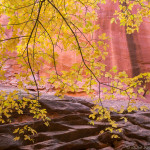
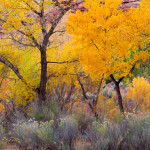
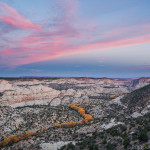
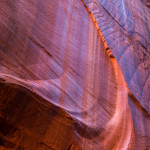
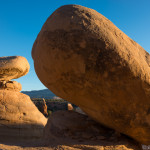
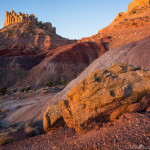
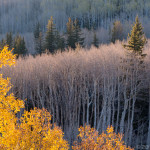
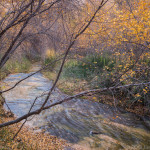
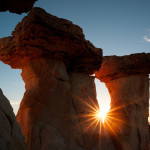
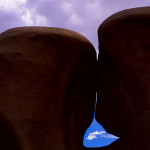
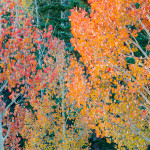
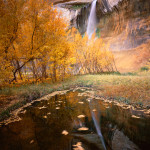
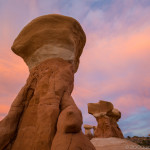
The majestic Grand Staircase descending toward the Grand Canyon and the canyons of the Escalante are a creative photographer’s dream come true. This outdoor classroom is a highlight of our Vision series, a special program of advanced instruction focusing on refining your personal creative vision, composition, and digital workflow, designed and presented by renowned photographers Jack Dykinga and John Shaw, with support by popular workshops leader Jerry Dodrill, a protégé of the legendary Galen Rowell. Packaged with single-occupancy lodging at the beautiful Boulder Mountain Lodge, and with first-class dining at the famous Hell’s Backbone Grill, this is a superb workshop scenario, which helps explain why Visionary Wild clients often repeat this experience. We hope you’ll join us!
Boulder Mountain rises to the west of Capital Reef National Park in the picturesque Aquarius Plateau of South Central Utah. It is the highest timbered plateau in North America, with over 50,000 acres of rolling forests of pine, spruce, fir, and aspen, as well as expansive meadowlands. The area features the dramatic red rock canyons and sculpted formations for which southern Utah is famous, but it is a little known and refreshing alternative to more heavily trafficked southwestern locations.
The author and desert wilderness advocate Edward Abbey once astutely observed:
There are more hills, holes, humps and hollows, reefs, folds, domes, swells and grabens, buttes, benches and mesas, synclines, monoclines, and anticlines than you can ever hope to see and explore in a lifetime.
We’ll add that the quality of light and atmosphere here are superb.
Click “Read More…” below right to read on and see the image gallery…
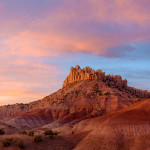

The majestic Grand Staircase descending toward the Grand Canyon and the canyons of the Escalante are a creative photographer’s dream come true. This outdoor classroom is a highlight of our Vision series, a special program of advanced instruction focusing on refining your personal creative vision, composition, and digital workflow, designed and presented by renowned photographers Jack Dykinga and John Shaw, with support by popular workshops leader Jerry Dodrill, a protégé of the legendary Galen Rowell. Packaged with single-occupancy lodging at the beautiful Boulder Mountain Lodge, and with first-class dining at the famous Hell’s Backbone Grill, this is a superb workshop scenario, which helps explain why Visionary Wild clients often repeat this experience. We hope you’ll join us!
Boulder Mountain rises to the west of Capital Reef National Park in the picturesque Aquarius Plateau of South Central Utah. It is the highest timbered plateau in North America, with over 50,000 acres of rolling forests of pine, spruce, fir, and aspen, as well as expansive meadowlands. The area features the dramatic red rock canyons and sculpted formations for which southern Utah is famous, but it is a little known and refreshing alternative to more heavily trafficked southwestern locations.
The author and desert wilderness advocate Edward Abbey once astutely observed:
There are more hills, holes, humps and hollows, reefs, folds, domes, swells and grabens, buttes, benches and mesas, synclines, monoclines, and anticlines than you can ever hope to see and explore in a lifetime.
We’ll add that the quality of light and atmosphere here are superb.
Click “Read More…” below right to read on and see the image gallery…
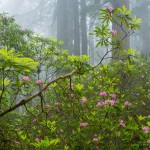
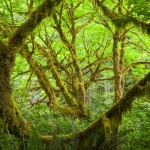
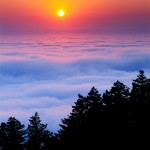
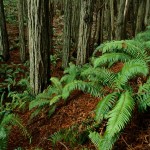
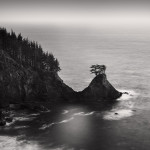
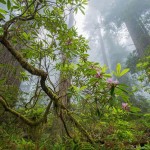
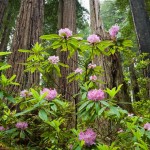
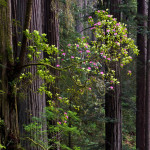
Colossal redwoods thrust upward into the coastal fog. The pink blooms of wild rhododendrons take on a translucent glow against the dark greens of the forest. Dramatic seastacks and driftwood accent the wild Pacific coast. One of the world’s most creativity-inspiring and evocative landscapes – Northern California’s Redwood Coast – will be our outdoor classroom for this photo workshop, presented by photographers Jeff Foott and Jerry Dodrill. This place is truly a photographer’s playground, rich with diverse photographic opportunities and a dynamic interplay of sun and fog. It’s the perfect setting for a fun, upbeat, and supportive workshop focused on developing creativity and honing skills. Participants will learn to take control of the finer points of composition, exposure and tonal control, and specialized techniques for approaching this sublime coastal landscape.
Click the “read more…” tab below right for more information and to see the photo gallery!
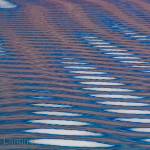
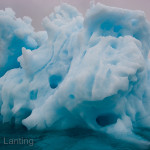
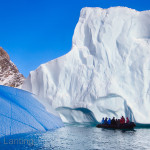
Featuring private charter of the three-masted expedition vessel Rembrandt van Rijn, helicopter flights onto the second largest ice cap on Earth, close encounters with the Arctic’s largest icebergs, and excursions onto the colorful autumn tundra.
Greenland’s remote and little-visited west coast is a world of arctic grandeur. Each year, the massive Jakobshavn Glacier calves some 35 billion tons of icebergs into the sheltered waters of Disko Bay and Ilulissat Icefjord, the only UNESCO World Heritage Site on the world’s largest island. Towers, arches, and walls of ancient blue ice thrust skyward from the water’s surface. Whales and seabirds abound. Steep-walled fjords, dramatic coastal mountains, tundra in autumn color, the Greenland Ice Sheet, and the Aurora Borealis combine to form an incomparable landscape. Visionary Wild presents a unique opportunity to experience and photograph this arctic wilderness in all its glory.
Join this world-class team of leaders – Frans Lanting, Christine Eckstrom, Justin Black, and Chris Linder – for our all-inclusive photographic exploration of Greenland’s west coast. The 168-foot, three-masted schooner Rembrandt van Rijn (click here for more about the vessel) will be our private floating base camp for the first eight days in Greenland. We are radically under-booking this comfortable vessel to ensure ample space for our group both on the ship and in zodiacs – our group will consist of only sixteen participants and four leaders, though Rembrandt normally sleeps 33 guests in addition to her crew of twelve. She is exceptionally well-suited to exploration and photography along the Greenland coast, with a reinforced hull, expansive unobstructed sight lines even under sail, and very comfortable accommodations. We will make frequent landings by zodiac to photograph in morning and evening light, and as serendipity presents us with compelling opportunities along the way. In addition to the arctic landscape, we will photograph Disko Bay’s whales, including beluga, bowhead, and humpbacks, and a variety of coastal and pelagic birds such as eider ducks and albatross. The etherial glow of the aurora borealis dancing in the night sky over the iceberg-dotted bay will be the sight of a lifetime.
After disembarking from Rembrandt, we will move on to the nearby town of Ilulissat, home to 5,000 Greenlanders and an equivalent number of sled dogs. There, our base will be Hotel Hvide Falk (White Falcon). One of the highlights of our four days there will be a series of helicopter excursions (one hour of flight time per participant, each with a window seat) to do aerial photography of icebergs, Jakobshavn Glacier and Ilulissat Icefjord, and to access the Greenland Ice Sheet itself, where we will land and photograph at a moulin, meltwater lake, or other interesting feature on the kilometers-deep icecap. We will also make excursions on a local charter boat to approach large icebergs, and hikes on the autumn tundra with stunning views of Disko Bay and the coastal mountains.
Click “read more” at below right for addition information, the itinerary, and the complete photo gallery…
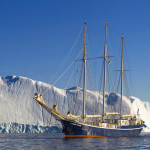
The sinuous channels, sculpted slick rock, red rock formations, abstract glowing reflections, and sublime canyon light of Lake Powell and Glen Canyon await you on this eight-day, seven-night photographic exploration with Gary Ladd, Jeff Foott, and Justin Black. A professionally crewed deluxe 75-foot houseboat will be our base camp, and three motorboats will provide access to the quiet corners of the sprawling lake, including sections of Glen Canyon that haven’t been seen since it was flooded. We’ll also have a few kayaks along for accessing slot canyons so narrow that one can touch both sides with arms outstretched.
The trip will begin at Comfort Inn and Suites in Page, Arizona, with an afternoon meeting and orientation before going out for an inaugural group dinner. The next morning, we’ll drive across Glen Canyon Dam to Wahweap Marina to board our boat and cruise out to onto the lake. From pre-dawn to post-sunset each day, we will make the most of the light, including mid-day use of bounced canyon light. Instructors Gary Ladd, Jeff Foott, and Justin Black will guide excursions by motorboat to explore and photograph while the houseboat crew cruises from one anchorage to the next. We will make short, easy hikes into side canyons and across the slickrock landscape to access mind-bending locations. Each evening, we will spend the night at anchor in a secluded cove beneath the amazing starscape of the clear southwestern sky.
Accommodations on the houseboat include five staterooms with queen beds, plus two large pull-out beds (all suitable for single or double occupancy), as well as the option of sleeping out under the stars on the sun deck (the crew and leaders will share this space). The boat also features two full bathrooms with showers, spacious common areas, hot tub, fireplace, and more.
Hearty meals will be prepared by our friendly boat crew: captain Randy Tucker – a Coast Guard-licensed and experienced Lake Powell and Grand Canyon guide – and his wife Barbara, a certified Grand Canyon raft guide. Randy and Barb are some of the finest people we know, and we are very pleased to have them join us for this trip. We hope you will too!
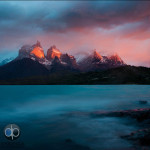
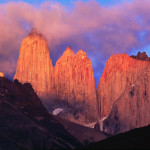
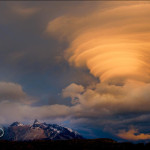
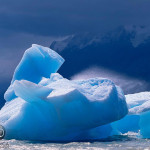

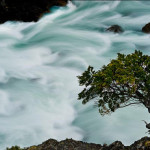
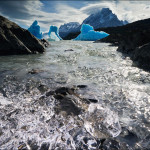
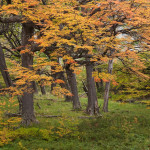
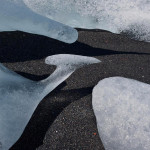
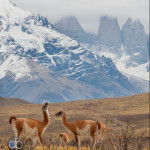
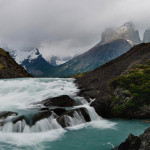
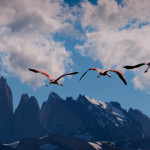
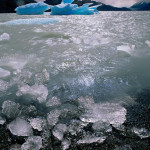
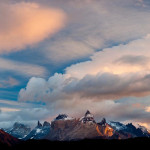
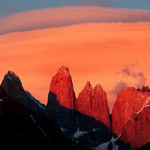
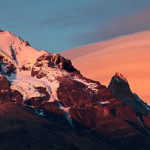
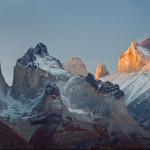
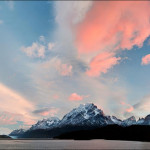
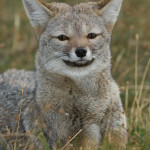
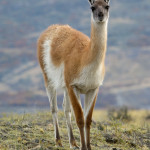
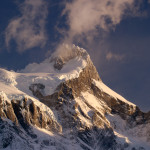
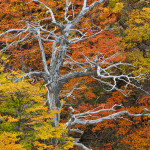
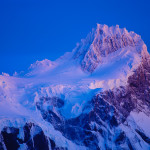
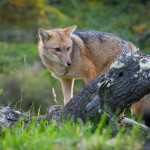
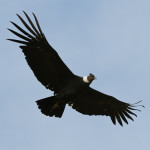
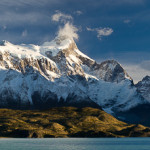
This workshop is designed to maximize opportunities for well-crafted and compelling photographs in one of the world’s most awe-inspiring landscapes. Participants will have ample time to get to know Torres del Paine during its colorful autumn splendor, and your photography there will benefit from the opportunity to revisit fruitful situations to apply lessons learned and to take advantage of changing weather and light. The goal is for each participant to come away from this trip with a strong body of work, a new body of knowledge, new friendships, rejuvenation, and priceless memories.
Torres del Paine National Park and Biosphere Reserve is the centerpiece of Patagonia – the ultimate distillation of the region’s most inspiring qualities. It’s one of those rare places that routinely exceeds the grandest dreams of even the most experienced photographers. Peaks and spires thrust abruptly upward above turquoise lakes, forcing moisture-laden winds off the ocean to form soaring lenticular clouds that catch the fiery sunrise and sunset alpenglow. Glaciers spill down from the Patagonian icecap, depositing cobalt blue icebergs on the shores of Lago Grey. Endemic lenga tree forests glow in hues of gold and copper in the southern autumn. Rivers tumble over cascading waterfalls as condors ride thermals on the flanks of the Cordillera del Paine mountains. Guanacos and foxes range over the golden pampas, and flamingoes wade the lagoons. At this time of year, the days are a manageable length with extended periods of dawn and dusk, and the sun never rises more than 35 degrees above the horizon. The quality of light is spectacular.
Click “read more” below right for the itinerary and image gallery…
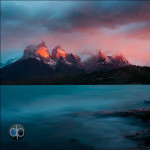

Pastel pinks and blues reflect from the sky at dawn and dusk, painting gypsum dunes that roll elegantly across the landscape. The tapestry of light and shadow, form and texture tempts the creative mind. Yuccas punctuate the landscape, rising in striking graphic isolation against the sand and sky. This is New Mexico’s White Sands National Monument, home of the world’s largest gypsum dune field, covering 275 square miles, set in a high desert basin with a dramatic mountain backdrop. This will be our outdoor classroom for this Vision series workshop, a special program of advanced instruction designed and presented by world-renowned photographers Jack Dykinga and John Shaw. Jack is recognized as one of the greatest practitioners and teachers in the history of landscape photography, and John is a natural photographic educator who is relied upon by some of the most successful photographers in the business to keep them current on digital workflow practices and Photoshop techniques. The combination is a uniquely effective and enjoyable experience.
Our fieldwork during this workshop will emphasize the search for elegant, carefully crafted compositions while anticipating the flow of light over the landscape each morning and evening. Opportunities abound, from classic near-far compositions that use yuccas to anchor foreground design, to abstracts harnessing the tones, curves and colors of the dunes, to broad panoramics and macro subjects.
The creation of a great finished photograph is part of a process from initial concept and vision through execution in the field to digital workflow and creation of a high-quality, final master file ready for printing or publication. Vision workshops with John Shaw and Jack Dykinga address the two greatest challenges faced by photographers as they advance. The first of these is the tendency for original creative vision to reach a plateau in development, and the second is a digital workflow in need of streamlining and refinement to make the most of your images.
A SPECIAL GIFT TO PARTICIPANTS: Each participant in this workshops is entitled to have two free fine exhibition prints up to 20″x30″ in size made by the master printmakers at West Coast Imaging of Oakhurst, California, one of the very best digital fine art photography labs in the world. These print packages include all the expert digital prep work of your original image file, based on your wishes and input as the artist, to make the best possible print. This special offer is cumulative, so you get two prints for each workshop you take.
Click the “read more” button below right to continue…

Zion National Park’s red rock and limestone cliffs and spires tower above sculpted canyons, grottoes, and waterways, forming a unique and awe-inspiring landscape at the convergence of the Colorado Plateau, the Great Basin, and the Mojave Desert. Autumn’s arrival brings comfortably cool temperatures and fall colors in the maples and cottonwoods. Zion is quite simply one of the gems of the National Park system, a highlight of the American Southwest, and one of our favorite outdoor photographic “classrooms.”
Charles Cramer is a masterful artist renowned for landscape photographs that derive their power from their elegant and gentle calm. He has returned again and again to Zion over the years to draw inspiration from its astonishing interplay of canyon light, color contrasts, and dramatic forms. Garnering rave reviews whenever he teaches, Charlie enjoys nothing more than sharing his insights, creativity, and craftsmanship with other passionate photographers in an effort to help them refine their own vision. Assistant instructor Justin Black has led four prior workshops at Zion and is always struck by the way this landscape reveals its secrets like the layers of an onion being peeled back – every visit yields a new discovery and new qualities of light.
This all-inclusive workshop will be based at Flanigan’s Inn of Springdale, Utah, just outside the western entrance of Zion National Park, providing excellent access to field locations. Along with eight field sessions, Charlie and Justin will present projected lectures on composition, light, exposure control, anticipating and working through changing conditions, and essentials of digital workflow. Three critique sessions will provide essential constructive feedback on images created during the workshop.
Click “read more” below right for more information…

Boulder Mountain rises to the west of Capital Reef National Park in the picturesque Aquarius Plateau of South Central Utah. It is the highest timbered plateau in North America, with over 50,000 acres of rolling forests of pine, spruce, fir, and aspen, as well as expansive meadowlands. The area features the dramatic red rock canyons and sculpted formations for which southern Utah is famous, but it is a little known and refreshing alternative to more heavily trafficked southwestern locations.
Situated immediately adjacent to the majestic Grand Staircase descending toward the Grand Canyon and the canyons of the Escalante, this place is a creative photographer’s dream come true. This is our outdoor classroom for this workshop, part of our Vision series, a special program of advanced instruction designed and presented by world-renowned photographers Jack Dykinga and John Shaw.
The author and desert wilderness advocate Edward Abbey once astutely observed:
There are more hills, holes, humps and hollows, reefs, folds, domes, swells and grabens, buttes, benches and mesas, synclines, monoclines, and anticlines than you can ever hope to see and explore in a lifetime.
We’ll add that the quality of light and atmosphere here are superb.
Click “Read More…” below right to read on and see the image gallery…
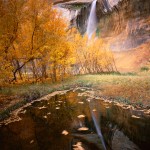
Boulder Mountain rises to the west of Capital Reef National Park in the picturesque Aquarius Plateau of South Central Utah. It is the highest timbered plateau in North America, with over 50,000 acres of rolling forests of pine, spruce, fir, and aspen, as well as expansive meadowlands. The area features the dramatic red rock canyons and sculpted formations for which southern Utah is famous, but it is a little known and refreshing alternative to more heavily trafficked southwestern locations.
Situated immediately adjacent to the majestic Grand Staircase descending toward the Grand Canyon and the canyons of the Escalante, this place is a creative photographer’s dream come true. This is our outdoor classroom for this workshop, part of our Vision series, a special program of advanced instruction designed and presented by world-renowned photographers Jack Dykinga and John Shaw.
The author and desert wilderness advocate Edward Abbey once astutely observed:
There are more hills, holes, humps and hollows, reefs, folds, domes, swells and grabens, buttes, benches and mesas, synclines, monoclines, and anticlines than you can ever hope to see and explore in a lifetime.
We’ll add that the quality of light and atmosphere here are superb.
Click “Read More…” below right to read on and see the image gallery…
Motion picture director Peter Jackson chose New Zealand as the location to film the fantasy world of Tolkien’s “Middle Earth” for a very good reason: the variety of incredible landscapes found in such a small area is simply astounding! Towering mountain ranges, wind-swept coastlines, pristine river valleys, and moss-covered tree fern forests are just some of the scenes we will photograph as we explore the South Island on this unique small-group 15-day journey led by National Geographic photographer Michael Melford, Justin Black, and renowned “Kiwi” landscape photographer Phillip Bartlett.
We wanted to take you to wild places on the South Island which are off the regular tourist path, locations which are seldom-visited, but that offer superb photography. To access these areas we will be travelling by 4WD vehicles, with a maximum of three passengers per vehicle. In addition, private-charter excursions by helicopter and boat provide us access to some truly phenomenal opportunities.
Click “read more” below right to see the itinerary and photo gallery…
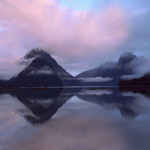
Colossal redwoods thrust upward into the coastal fog. The pink blooms of wild rhododendrons take on a translucent glow against the dark greens of the forest. Dramatic seastacks and driftwood accent the wild Pacific coast. One of the world’s most creativity-inspiring and evocative landscapes – Northern California’s Redwood Coast – will be our outdoor classroom for this photo workshop, presented by photographers Justin Black and Jerry Dodrill. This place is truly a photographer’s playground, rich with diverse photographic opportunities and a dynamic interplay of sun and fog. It’s the perfect setting for a fun, upbeat, and supportive workshop focused on developing creativity and honing skills. Participants will learn to take control of the finer points of composition, exposure and tonal control, and specialized techniques for approaching this sublime coastal landscape.
Click the “read more…” tab below right for more information and to see the photo gallery!
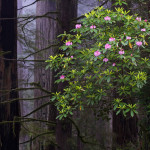
This workshop is designed to maximize opportunities for well-crafted and compelling photographs in one of the world’s most awe-inspiring landscapes. Participants will have ample time to get to know Torres del Paine during its colorful autumn splendor, and your photography there will benefit from the opportunity to revisit fruitful situations to apply lessons learned and to take advantage of changing weather and light. The goal is for each participant to come away from this trip with a strong body of work, a new body of knowledge, new friendships, rejuvenation, and priceless memories.
Torres del Paine National Park and Biosphere Reserve is the centerpiece of Patagonia – the ultimate distillation of the region’s most inspiring qualities. It’s one of those rare places that routinely exceeds the grandest dreams of even the most experienced photographers. Peaks and spires thrust abruptly upward above turquoise lakes, forcing moisture-laden winds off the ocean to form soaring lenticular clouds that catch the fiery sunrise and sunset alpenglow. Glaciers spill down from the Patagonian icecap, depositing cobalt blue icebergs on the shores of Lago Grey. Endemic lenga tree forests glow in hues of gold and copper in the southern autumn. Rivers tumble over cascading waterfalls as condors ride thermals on the flanks of the Cordillera del Paine mountains. Guanacos and foxes range over the golden pampas, and flamingoes wade the lagoons. At this time of year, the days are a manageable length with extended periods of dawn and dusk, and the sun never rises more than 35 degrees above the horizon. The quality of light is spectacular.
Click “read more” below right for the itinerary and image gallery…
Truly a photographer’s playground, the sublime, dramatic, and moody Pacific coast around Bandon, Oregon, will be our outdoor classroom for this landscape- and seascape-oriented photo workshop, presented by renowned photographers and workshops leaders Justin Black and Jerry Dodrill.
Ever-changing light and the beautiful interplay of sun, waves, towering sea stacks, tide pools, wind-sculpted clouds, and marine fog mean that every day offers a different mood, even when we revisit our primary location, the sprawling Bandon Beach. Just down a wooden stairway from our hotel, it’s the perfect setting for a workshop focused on developing creativity, honing skills, and refining your personal vision. Justin and Jerry will teach you to take control of the finer points of composition, exposure and tonal control, and specialized techniques for capturing this amazing coastal landscape.
A SPECIAL GIFT TO PARTICIPANTS: Each participant in this workshops is entitled to have two free fine exhibition prints up to 20″x30″ in size made by the master printmakers at West Coast Imaging one of the very best digital fine art photography labs in the world. These print packages include all the expert digital prep work of your original image file, based on your wishes and input as the artist, to make the best possible print. This special offer is cumulative, so you get two prints for each workshop you take.
Click the “read more…” tab below right for more information and to see the photo gallery!
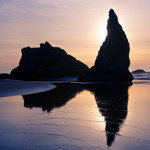

Boulder Mountain rises to the west of Capital Reef National Park in the picturesque Aquarius Plateau of South Central Utah. It is the highest timbered plateau in North America, with over 50,000 acres of rolling forests of pine, spruce, fir, and aspen, as well as expansive meadowlands. The area features the dramatic red rock canyons and sculpted formations for which southern Utah is famous, but it is a little known and refreshing alternative to more heavily trafficked southwestern locations.
Situated immediately adjacent to the majestic Grand Staircase descending toward the Grand Canyon and the canyons of the Escalante, this place is a creative photographer’s dream come true.
The author and desert wilderness advocate Edward Abbey once astutely observed:
There are more hills, holes, humps and hollows, reefs, folds, domes, swells and grabens, buttes, benches and mesas, synclines, monoclines, and anticlines than you can ever hope to see and explore in a lifetime.
We’ll add that the quality of light and atmosphere here are superb.
Click “Read More…” below right to read on and see the image gallery…
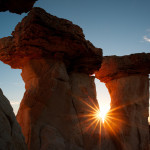
Magical places with towering red sand dunes, ancient withered, desiccated forests, and storm-ravaged coastline make Namibia unique. Rare desert lions, gemsbok, elephants, and giraffes inhabit the area, with the colorful Himba people carving out a life in this arid region.
In all my travels, I have never seen such amazing and colorful dune formations. The colors ran from black to garnet to peach and red colored…sometimes bathed in coastal fog. The Namib Desert has a timeless quality that calls to me. –Jack Dykinga
Experience the haunting beauty of Namibia – Africa’s desert gem – with renowned landscape photographers Jack Dykinga and Justin Black. We will explore the striking quiver tree forests and geological formations, a ghost town abandoned to drifting sands, the rugged beauty of the coast, culminating with three days of intensive photography among the elegant forms of the thousand-foot red dunes of Sossusvlei. With warm tints of apricot, orange, red and maroon, these dunes offer abstract beauty unseen anywhere else in the world. This special place is also home to the ancient sun-blackened skeletons of camel thorn trees at the white clay “dead marsh” of Deadvlei.
A string of colonial port towns dot the coast, trapped between the South Atlantic and the dunes. Lüderitz, on the edge of the diamond-rich Sperrgebiet area, is a fascinating relic of Germany’s late 19th-century imperial aspirations. Nearby is the otherworldly and sand-bound abandoned mining town of Kolmanskop, where dunes have invaded the abandoned buildings. The photographic potential of this place is astonishing. Further north, Swakopmund and Walvis Bay bracket the southern end of the Skeleton Coast. Both possess a welcoming resort town atmosphere, with ample photographic opportunities along the coast.
Awe-inspiring and unrestrictive, this diverse geography leaves an impact you won’t soon forget.
Our itinerary has been designed to take maximum advantage of the best landscape photography opportunities that Namibia has to offer. In addition to attentive photographic instruction throughout by Dykinga and Black, our group of up to ten photographers will be led by two excellent local guides. This trip includes excellent lodging, in-Africa flights (Johannesburg–Windhoek–Johannesburg), transfers and group ground transportation from start to finish, and all meals, snacks, and beverages.
 Namibia is a very safe and welcoming country, and a tourist visa is not necessary for citizens of the USA and most developed nations.
We hope you will join us! To sign up, click the “REGISTER” link above right.
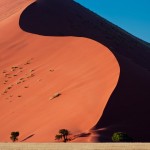

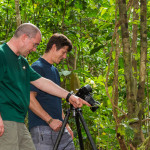
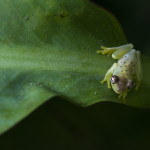
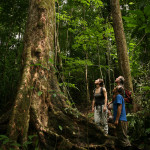
Exotic Birds – Poison Dart Frogs – Monkeys – Waterfalls – Wild Pacific Beach
All of this and more is to be found in one of the most biologically exciting places on Earth – Coast Rica’s remote Osa Peninsula – and we’d like to share the best of it with you. Envision original primary rainforest rising up a low ridge from a pristine and entirely undeveloped Pacific beach, stretching as far as the eye can see. Native toucans, scarlet macaws, and four species of New World monkeys cruise through the trees, while dramatic waterfalls roar in the jungle. Numerous species of visually striking frogs inhabit the area, including three species of colorful poison dart frogs, red-eyed tree frogs, masked tree frogs, and massive cane toads in their native habitat. Hundreds of exotic bird species abound. In addition to the toucans and macaws, long-tail hermit hummingbirds, elegant and violaceous trogons, blue-capped manakins, crested caracaras, ibis, various raptors and myriad other species are readily photographed. The forest itself is stunning, with old-growth trees full of character and beautiful graphic compositions just waiting to be discovered.
Instructors Daniel Beltrá and Justin Black will share their creative approaches to photographing rainforest fauna and flora, as well as the dramatic landscape. Hands-on in the field, we will cover long-lens and macro wildlife techniques, control of composition and light, fill-flash, control of focal plane and perspective with tilt-shift lenses, panoramic stitching, and other techniques that can be used to great effect in this amazing place.
Read Justin Black’s article “Frogs of the Osa” in Outdoor Photographer magazine
Our basecamp, El Remanso eco-lodge, is a uniquely rich and accessible environment to witness and explore the incredible flora and fauna of Central America’s rainforests. The owners are personal friends of the instructors, and the staff make guests feel like family. It’s a peaceful resort where it’s easy to let go of the hassles of travel logistics and fully immerse yourself in exploring and photographing the birds, waterfalls, monkeys and frogs, gorgeous old-growth trees, and the stunning Pacific beach.
The staff at El Remanso take great care of us – providing fresh tropical fruits, a delicious mix of international and local Tico cuisine, not to mention the superb margaritas, caipirinhas, and piña coladas – all on an inviting and spacious covered dining deck perched at the top of a canyon, at eye-level with the forest canopy. We’ll bring our long lenses to breakfast to photograph monkeys, macaws and toucans feeding in the trees. The opportunities to explore don’t end with the setting sun. A stroll with our naturalist guides around El Remanso just after dark reveals all manner of nocturnal species.
Boulder Mountain rises to the west of Capital Reef National Park in the picturesque Aquarius Plateau of South Central Utah. It is the highest timbered plateau in North America, with over 50,000 acres of rolling forests of pine, spruce, fir, and aspen, as well as expansive meadowlands. The area features the dramatic red rock canyons and sculpted formations for which southern Utah is famous, but it is a little known and refreshing alternative to more heavily trafficked southwestern locations.
Situated immediately adjacent to the majestic Grand Staircase descending toward the Grand Canyon and the canyons of the Escalante, this place is a creative photographer’s dream come true.
The author and desert wilderness advocate Edward Abbey once astutely observed:
There are more hills, holes, humps and hollows, reefs, folds, domes, swells and grabens, buttes, benches and mesas, synclines, monoclines, and anticlines than you can ever hope to see and explore in a lifetime.
We’ll add that the quality of light and atmosphere here are superb.
Click “Read More…” below right to read on and see the image gallery…
Renowned landscape photographer Marc Muench and Visionary Wild’s Justin Black have teamed up to lead a trip to the dramatic granite spires, alpine lakes, and meadows at the Cirque of the Towers in Wyoming’s Wind River Range. “The Winds” are the most alpine range in the Wyoming-Montana-Idaho complex, with soaring granite peaks reminiscent in many ways of the High Sierra Nevada but less well known and more lightly visited. The alpine wildflowers in the meadows and nearby lakes and streams offer excellent foregrounds for photographing the east-facing Cirque and other nearby peaks, which catch spectacular alpenglow at sunrise.
This is one of North America’s great mountain wildernesses, but don’t take our word for it. Following a summer 1999 horse pack trip into the Winds, internationally acclaimed mountain photographer Galen Rowell wrote the following in his April 2000 column for Outdoor Photographer magazine:
“The Wind River Range is my favorite in the Rockies. Warm, relatively dry summers create a paradise for backpackers, climbers, and photographers. Hundreds of peaks rise over 12,000 feet above glaciers and snows that last late into summer. Melt waters cascade into alpine basins filled with meadows, open pine forest, and countless lakes before joining into rivers separated by the Continental Divide.”
Our itinerary begins with a group orientation and dinner at Diamond 4 Ranch in Dickinson Park, Wyoming, on the east side of the Wind River Range (Lander is the closest large town). Our first night will be spent at an elevation of 9,200ft. in the ranch’s rustic cabins, which will serve to help acclimate us to the elevation. After an early breakfast the next morning, the experienced wranglers of Diamond 4 Ranch will lead our group on a horseback ride to camp at Lizard Head Meadows. No prior horseback experience is necessary. The horses are docile and very familiar with the trail to our camp, our base for five nights at an elevation of 10,000ft. – where a camp manager and backcountry chef will take great care of us. This is a “drop” or “spot” trip, meaning that all of our gear, coolers of fresh food, etc., will be carried in on horseback, and our camp will serve as our base for short hikes to explore the Cirque’s rich photographic opportunities.
Click “read more” below right for more information and the image gallery…
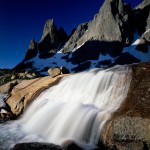
© 2026 VisionaryWild, LLC, All Rights Reserved
2200 19th St. NW, Ste 806, Washington, DC 20009
E-mail: info@visionarywild.com | Tel: 1-202-558-9596 (9am to 5pm, EST)
Privacy Policy | Terms & Conditions